Three months after Hurricane Melissa tore through parts of the Caribbean, countries are gradually shifting from emergency response to recovery. The focus is now on long-term strategies. However, damaged infrastructure, heightened disease risks, and disrupted health services continue to strain national health systems.
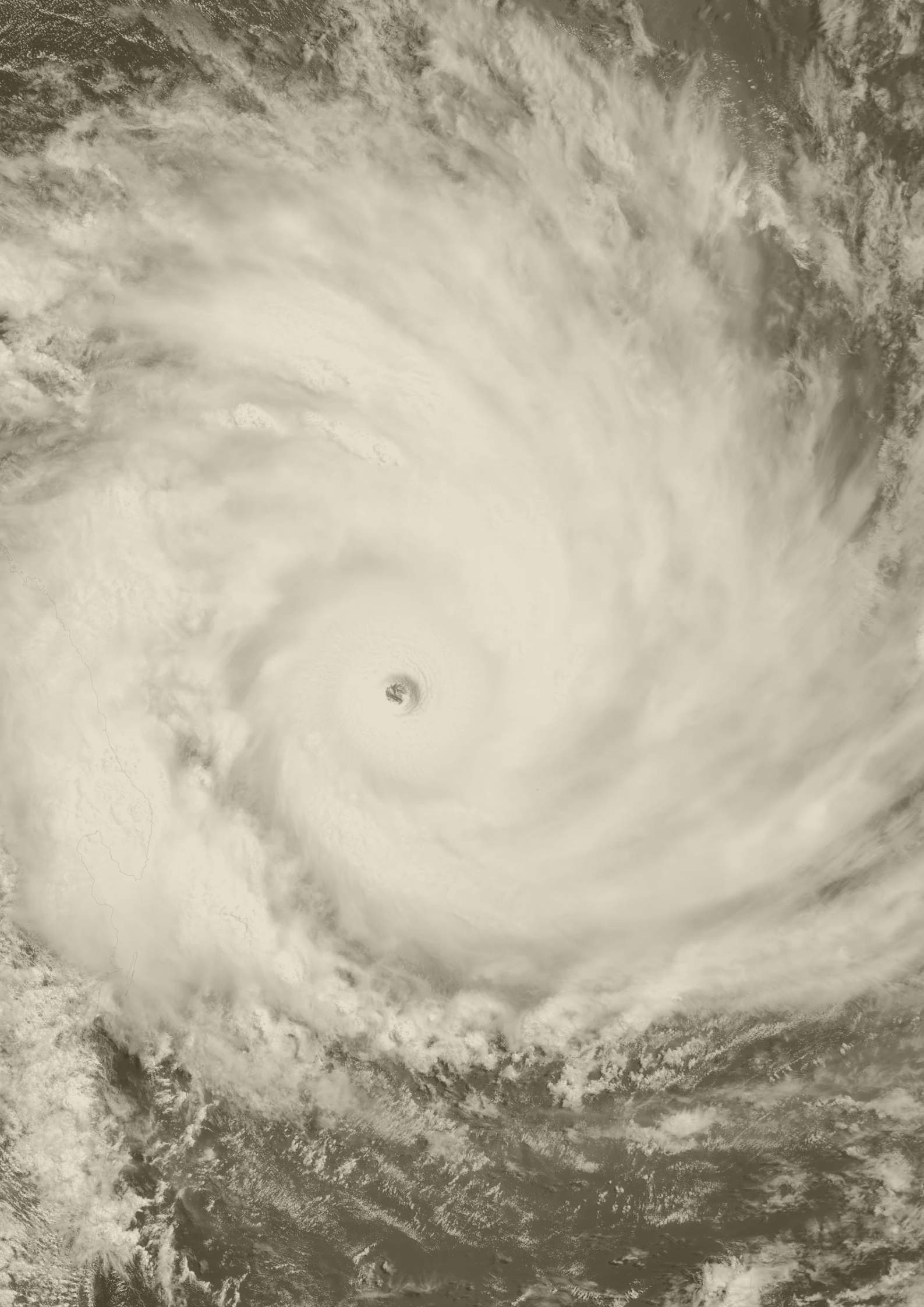
The Category 5 hurricane made landfall in Jamaica on 28 October 2025. It impacted several Caribbean nations, with the heaviest damage reported in Jamaica, Cuba, and Haiti. The storm claimed 88 lives and damaged 785 health facilities, and nearly 80 percent of them were in Cuba. Additionally, more than 100,000 people were displaced at its peak. As of late January 2026, fewer than 6,000 people remain displaced. Around half of them are still living in temporary shelters.
Immediately upon the hurricane’s report, the Pan American Health Organisation (PAHO) activated its Incident Management System. It deployed its Regional Response Team, which brought together experts from various fields, including emergency coordination, health service delivery, and disease surveillance. They also included logistics, mental health, risk communication, and environmental health. Medical supplies mobilized through PAHO’s Strategic Emergency Reserve in Panama included approximately 5.5 tons delivered to Jamaica. They also delivered 16 tons to Haiti and 21 tons to Cuba. However, some supplies were pre-positioned ahead of the storm to ensure a rapid response.
Currently, PAHO’s focus has evolved toward supporting recovery efforts while emergency medical teams have begun to demobilize. They are prioritizing continuity of care, restoring essential services, and strengthening health system resilience.
Health Systems Recovery After Hurricane Melissa in Jamaica
Jamaica’s health system continues to face significant strain three months after the hurricane. Damage to infrastructure, persistent overcrowding in referral hospitals, and elevated risks of disease outbreaks remain major public health concerns.
By mid-January, 299 of the country’s 336 health facilities, about 89 percent, had resumed service delivery. However, many facilities are located outside the areas most affected by the storm. But several major referral hospitals continue to operate well above safe bed-occupancy thresholds.
“The scale of destruction is still an enormous challenge,” said Ian Stein, PAHO Representative in Jamaica. “When one hospital has been decommissioned, four additional hospitals are severely affected, and 60 primary health care centers have sustained major damage, it’s a whole different experience than when a country is affected by a more isolated event.”
With donor support, PAHO has coordinated with the Ministry of Health & Wellness. They have supported urgent repairs at 10 priority primary health care facilities in the most affected parishes. Emergency roof repairs have been completed at seven facilities, while additional sites remain in procurement or contracting phases. Notably, health facilities constructed or retrofitted to PAHO’s Smart Hospital standards sustained minimal damage. This highlights the importance of climate-resilient infrastructure in hurricane-prone regions.
During the acute response phase, 17 Emergency Medical Teams, 12 international and five national, were deployed to support clinical services. As of 21 January, eight teams remained operational, gradually transitioning responsibilities back to nationally led coordination structures.
Disease surveillance and outbreak control
Between October 2025 and mid-January 2026, Jamaica recorded 124 suspected cases of leptospirosis, including 40 laboratory-confirmed cases and 14 deaths. Cases peaked in mid-November and have since declined, with no confirmed cases reported during the first days of 2026.
Jamaica’s surveillance and laboratory systems, strengthened through sustained PAHO technical support, played a critical role in detecting and responding to the outbreak.
“Jamaica has strong surveillance capacity, and that has been key to effectively managing the leptospirosis outbreak—and that’s a success story,” Stein said.
PAHO’s support has included the deployment of field epidemiologists. It also provides laboratory training and diagnostic reagents. Moreover, improvements to specimen transport systems help enable timely diagnosis and evidence-based response.
Ethiopia Ends First-Ever Marburg Virus Disease Outbreak
Airport Health Screenings Rise Amid Nipah Virus Cases in India
Mental health and support for health workers
Beyond physical damage and infectious disease risks, Hurricane Melissa has severely impacted the mental well-being of affected communities. It has also deeply affected health workers. Many frontline staff continued delivering care while dealing with personal losses, damaged homes, and unstable living conditions.
“Health workers showed up, even when they were victims themselves,” said the PAHO/WHO Representative in Jamaica. “They were providing care in tents or crowded rooms, while worrying about their own families.”
In response, the Ministry of Health & Wellness, with PAHO support, has significantly expanded mental health and psychosocial support services nationwide. More than 3,000 people have been trained in Psychological First Aid, with additional training continuing into early 2026. To date, health teams have delivered 7,784 mental health and psychosocial support interventions. The country is integrating mental health services into broader recovery efforts. It is also working to strengthen preparedness for future emergencies.
Cuba’s Health Systems Recovery
In Cuba, provinces affected by Hurricane Melissa have formally transitioned into a phase of normalisation. All health facilities are reported to be operational, although repairs are ongoing where damage persists. Recovery efforts are unfolding alongside continued public health interventions. However, an ongoing economic crisis limits access to essential medicines. This crisis places additional strain on health services.
Between October 2025 and January 2026, PAHO coordinated multiple shipments of medical supplies and equipment to Cuba. These included emergency health kits, pneumonia kits, generators, power plants, tents, water purification tablets, and donated medicines. Combined anticipatory action funding, donor contributions, and in-kind support amounted to more than USD 2.5 million.
“One of PAHO’s main contributions has been to promote continuous dialogue between health authorities and partners, and to reinforce coordination aligned with national priorities,” said Mario Cruz Peñate, PAHO/WHO Representative in Cuba.
Housing damage remains a major challenge. More than 215,000 homes, affecting approximately 645,000 people, were damaged, with 2,760 individuals still displaced as of mid-December. Slow reconstruction timelines, compounded by pre-existing housing shortages, continue to expose communities to health risks and future extreme weather events.
Access to safe drinking water also remains a concern. By late December, nearly 500,000 people relied on tanker deliveries. This was due to disrupted water systems. Fifty systems were still out of service in Santiago de Cuba.
Crisis of Violence Against Children in Latin America and Caribbean
Managing complex epidemiological risks
Recovery in Cuba is taking place amid a complex epidemiological situation. In 2025, the country experienced simultaneous outbreaks of dengue, chikungunya, and Oropouche. By the end of the year, chikungunya transmission had been reported in 15 provinces. There were more than 51,000 cumulative cases and 46 deaths. This was the first outbreak of its kind in Cuba. Dengue transmission also continued nationwide, with more than 30,000 suspected cases and 19 deaths reported.
On the other hand, heavy rainfall has disrupted supply chains. Limited vector-control equipment and delays in early case detection have highlighted the need for intensified prevention. They also emphasise the importance of surveillance during the recovery phase. In response, Cuban health authorities, with PAHO support, have expanded vector control activities. They have strengthened surveillance among high-risk groups. Additionally, they have intensified community outreach and health education.
Building Resilience for Future Emergencies
Across Jamaica and Cuba, PAHO’s support continues to evolve from emergency response toward sustained recovery and health system strengthening. These efforts reinforce disease surveillance and laboratory capacity. They also expand vector control, diagnostic logistics, and field epidemiology. The aim is to help countries manage ongoing public health risks while rebuilding essential services.
Together, they reflect PAHO’s commitment not only to addressing the immediate health impacts of Hurricane Melissa. They are also dedicated to strengthening preparedness and resilience. This will ensure that health systems across the Caribbean are better equipped to withstand future climate-related emergencies.
About the Author