Pip: Welcome to The Health Pulse — where the news ranges from continental emergency response to fellowship applications, and somehow it all connects back to the same question: who shows up when health systems are under pressure?
Mara: Today we’re covering Ebola preparedness on a continental scale, a career opportunity for early-career health policy scholars at LSE, and a community health worker role designed for refugee and immigrant communities in Phoenix.
Pip: Let’s start with the outbreak response, because half a billion dollars and a six-month clock tend to focus the mind.
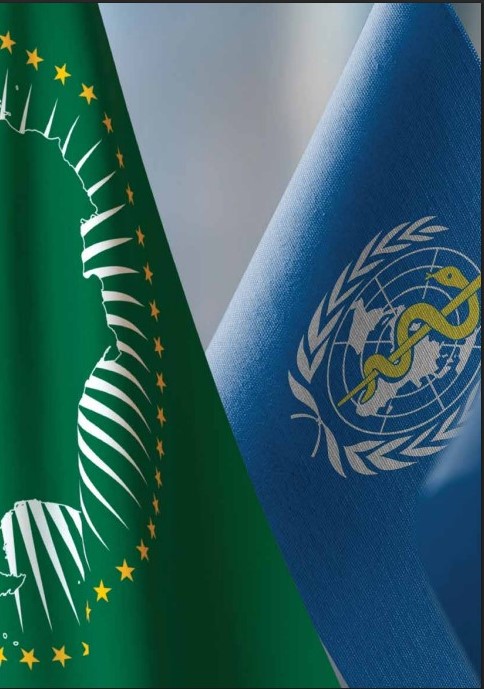
Africa and WHO move together on Ebola
Mara: The question here is coordination — how do you mount a continent-wide response to an active Ebola outbreak without fragmenting effort and funding across dozens of actors?
Pip: Africa CDC and WHO launched a joint plan this month, and the WHO Director-General put the logic plainly: “The only way to beat this outbreak is through close partnership, working together under the leadership of the affected countries in one coordinated effort, guided by a simple principle: one plan, one budget, one team.”
Mara: What that means in practice is roughly US$518 million mobilised over six months, with the bulk — around US$265 million — directed at the DRC and Uganda, and a further US$79 million ring-fenced for preparedness in high-risk neighbouring countries.
Pip: The current outbreak involves the Bundibugyo virus strain, which has no licensed vaccine or approved therapeutics, so surveillance and community trust are doing the heavy lifting that pharmacology cannot.
Mara: That’s the thread running through the plan — it names community engagement as load-bearing, not supplementary. The plan also explicitly warns against letting the Ebola response crowd out work on mpox, cholera, and measles.
Pip: From emergency response to building the people who will staff the next response — the fellowship pipeline matters here.
Shaping health policy careers at LSE
Mara: The tension in health policy academia is that the research shaping systems is often produced by scholars who have no stable footing early in their careers — so what does a structured entry point actually look like?
Pip: japhethsirima covered the LSE Fellowship in Health Policy, and the post quotes the position’s scope directly: the department is “renowned for its contributions to health economics, health services research, healthcare financing, and public health policy, influencing healthcare systems and policy development at both national and international levels.”
Mara: So the upshot is that this is not a junior admin role dressed up in academic language — it is a two-year fixed-term position with real teaching and research responsibilities, sitting inside one of the more influential health policy departments globally.
Pip: The salary runs from roughly £43,277 to £51,714, with a ceiling near £55,497 depending on performance, and the application deadline is 11 June 2026 — which, if you’re hearing this close to publication, is very soon.
Mara: The eligibility note worth flagging: anyone who has already held LSE Fellowship positions totalling three years is not eligible. It is explicitly designed for early-career scholars who need the runway, not those who have already used it.
Pip: A PhD in health policy, health economics, or a closely related discipline is required — or near completion by the start date.
Mara: Research and teaching sit together in the role, which is the point — it is meant to build both capacities simultaneously rather than treating them as sequential stages of a career.
Pip: From building scholars to building the frontline workers those scholars will eventually study — the community health layer is where policy meets pavement.
Community health work as a career pathway
Mara: The question japheth Sirima raises with the IRC role in Phoenix is about entry points — specifically, how do you create a structured pathway into community health for people who already have the lived experience the role requires?
Pip: The IRC’s post describes the Community Health Worker position as “a temporary workforce development and applied learning opportunity designed for refugee and immigrant community members interested in careers in community health and human services.”
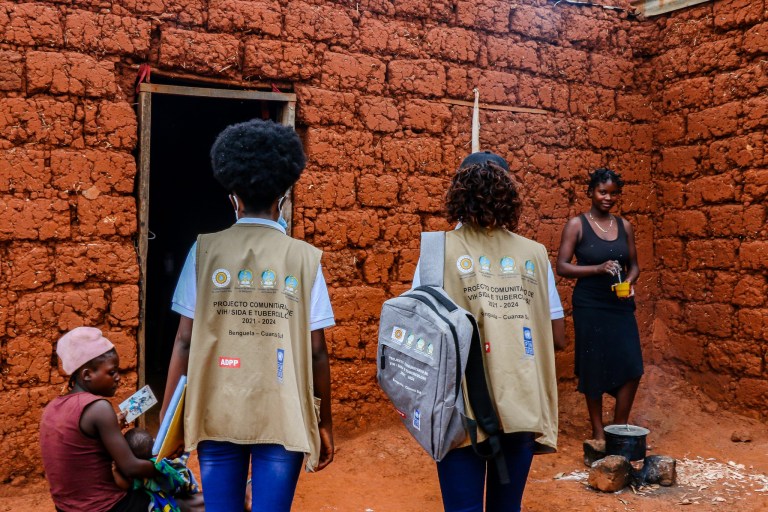
Mara: What this gets participants is structured training and supervised field experience — outreach, health education, healthcare navigation — without requiring independent case management. It is explicitly a learning role, not a delivery role, which lowers the barrier to entry while building genuine capability.
Pip: At US$20 an hour, full-time, with a 403(b) retirement plan and an Employee Assistance Programme, it is structured as real employment rather than volunteerism with a stipend attached — which is the design choice that actually signals workforce investment.
Mara: The application window runs until 31 July 2026, and the minimum qualification is a high school diploma combined with community or volunteer experience — particularly within refugee or immigrant communities.
Pip: One outbreak, one fellowship, one workforce pathway — the through-line is the same: health systems hold when the people inside them are supported.
Mara: Next time, we’ll see what else The Health Pulse is tracking. Stay with us.
About the Author