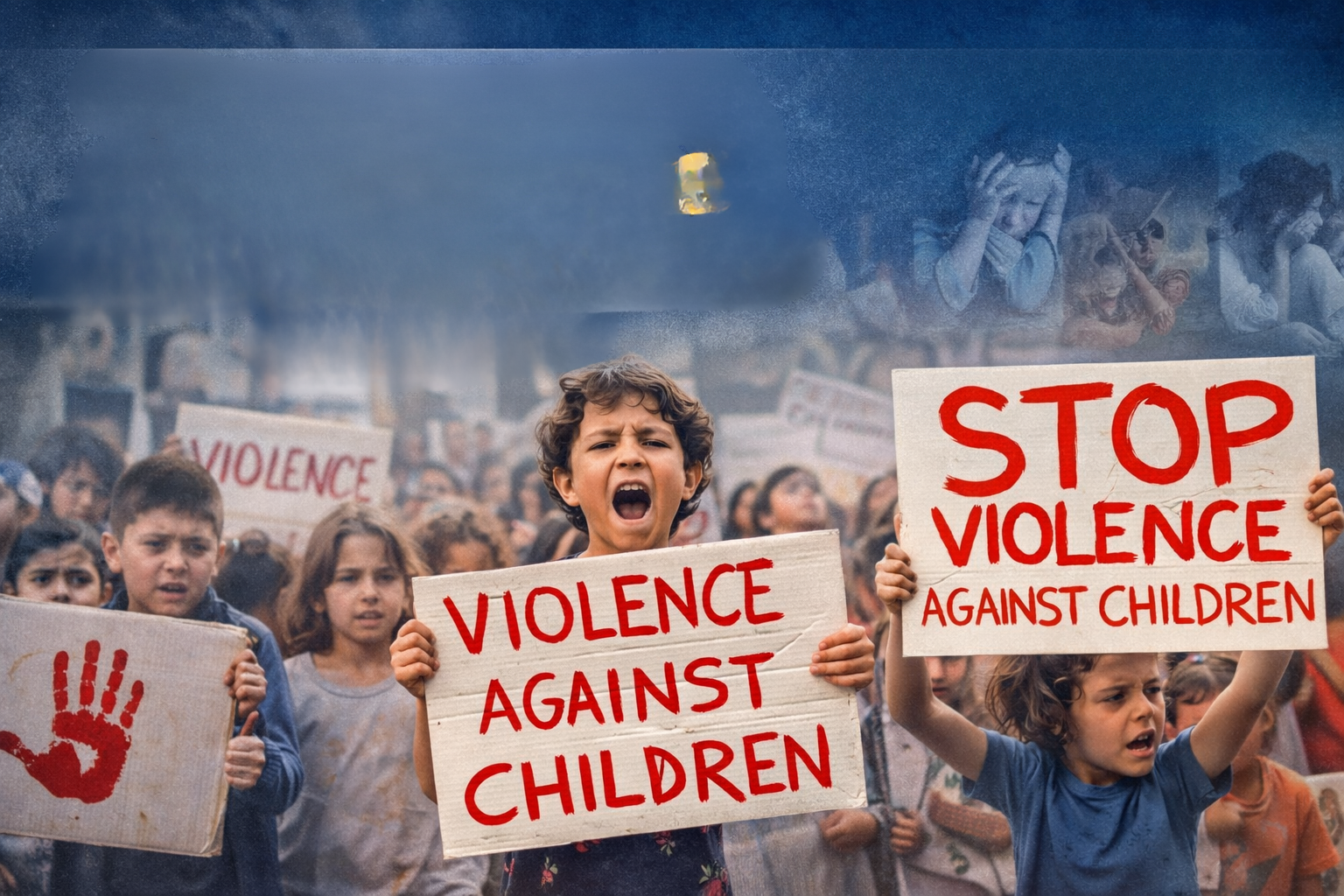
AI generated image
Violence continues to pose a serious and persistent threat in Latin America and the caribbean. It endangers the lives, health, and development of millions of children and adolescents across the region. This is according to a new joint report by the Pan American Health Organization (PAHO) and UNICEF.
The report—Violence against children and adolescents in Latin America and the Caribbean: New data and solutions, was released on 26 January 2026. It documents alarming levels of lethal, physical, sexual, and psychological violence. It calls for urgent action across health, education, justice, and social protection systems.
A Silent but Deadly Crisis
Between 2015 and 2022, at least 53,318 children and adolescents were killed in the region. This makes violence one of the leading causes of death among young people. Adolescents aged 15 to 17 years face the highest risk.
Recent data reveal diverging trends by sex. While homicide rates among adolescent boys declined from 17.63 to 10.68 deaths per 100,000 between 2021 and 2022, the rate among adolescent girls more than doubled, from 2.13 to 5.1 deaths per 100,000 during the same period.
Violence in the region is closely linked to organised crime. Widespread access to firearms exacerbates the issue. Entrenched social inequalities and harmful gender norms play a significant role, particularly in urban and marginalised communities.
Violence Begins Early and Persists Across Settings
The report highlights that violence often begins in early childhood and intensifies over time. Across Latin America and the Caribbean:
- Six in ten children under 14 years experience violent discipline at home.
- One in four adolescents aged 13–17 reports being bullied at school.
- Nearly one in five women experienced sexual violence before the age of 18.
Emerging evidence also points to growing violence in digital environments. Data remain limited due to underreporting. There are also weak monitoring systems.
“Every day, millions of children in Latin America and the Caribbean are exposed to violence—at home, at school, and in communities,”
– Roberto Benes, UNICEF Regional Director for Latin America and the Caribbean
He stressed that effective solutions already exist but require sustained political commitment.
Health Systems at the Frontline of Prevention and Response
PAHO emphasised the role of health systems in identifying risks early and responding effectively. According to Dr. Jarbas Barbosa, Director of PAHO, violence has long-term physical and mental health consequences. These consequences undermine children’s right to grow up in safe environments.
The report outlines evidence-based interventions, including early detection of abuse in health settings. It also mentions trauma-informed care and mental health support. Additionally, the report suggests stronger referral pathways between health, education, and social services.
PAHO and UNICEF urge governments to strengthen and enforce child protection laws. They advocate for controlling firearms. Additionally, they emphasize training frontline workers, including teachers, police officers, and health professionals. Also, they recommend investing in safe learning environments and parenting support programmes.
These recommendations were validated during a regional ministerial consultation in October 2025. Over 300 representatives from health, education, justice, and child protection sectors attended. Youth groups and civil society organisations were also present. This underscored a broad consensus on the need for coordinated action.
Conclusion
Despite decades of progress in child survival and development, violence remains one of the most preventable threats facing children and adolescents in Latin America and the Caribbean. PAHO and UNICEF warn that without decisive, multisectoral action, the region risks perpetuating cycles of harm that undermine health, education, and social cohesion.
Ending violence against children, the agencies emphasise, is not only a moral obligation but a public health imperative.
About the Author