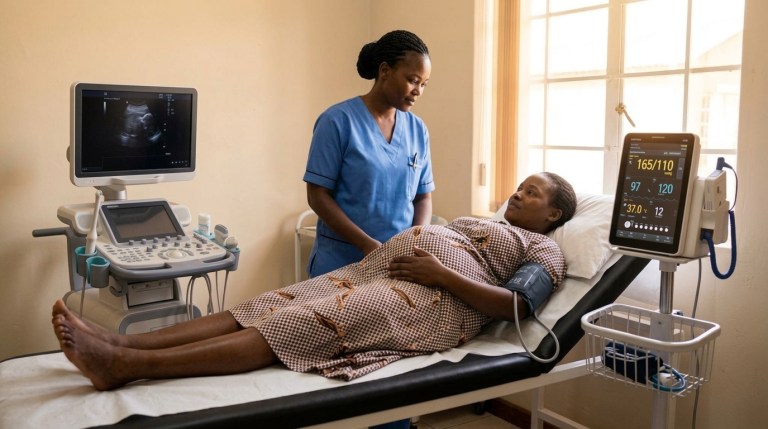
Illustration of an African map highlighting the growing burden of chronic illnesses, including hypertension, diabetes, heart disease, chronic kidney disease, cancer, and other non-communicable diseases.
In global health conversations, Africa has long been defined by its burden of infectious diseases such as malaria, tuberculosis, and HIV. The fight against these infectious diseases is ongoing. However, a quieter, slower-moving crisis is now growing alongside them. This slowly moving crisis is the rise of Chronic, Non-Communicable Diseases (NCDs) in Africa.
Chronic, Non-Communicable Diseases (NCDs) are health conditions such as high blood pressure, diabetes, cancers, and liver diseases that persist for months or years and cannot be directly transmitted from one person to another (1). NCDs are rapidly rising across Africa, and without medical help, these diseases rarely resolve on their own.
The extent of NCD problems calls for urgent attention as a growing number of people (worldwide and in Africa) are affected. According to the World Health Organisation, NCDs kill 41 million people every year worldwide, accounting for 71% of all deaths globally (1). More than 15 million of those deaths occur in people aged between 30 and 69, and 85% happen in low- and middle-income countries, including African countries (1).
In the African Region specifically, an estimated 1.6 million people between the ages of 30 and 70 die prematurely from NCDs every year (2). If this continues, NCDs, injuries, and mental health conditions are projected to cause more premature deaths in Africa than all other diseases combined by 2030 (3).

This article looks at why chronic illness is rising in Africa, why many cases are diagnosed late, how these conditions damage vital organs, and how they affect families, caregivers, and healthcare systems. It also examines the role of civil society organisations and what can be done to address the growing burden.
What Is Driving the Rise of Chronic Illness in Africa?

The rise of chronic illness across Africa results from several changes happening at the same time. These changes include rapid urbanisation, unhealthy lifestyle habits, an ageing population, and the continued burden of infectious diseases.
One major driver is urbanisation. As more people move to cities, many become less physically active and rely more on processed foods high in salt, sugar, and unhealthy fats rather than traditional diets (1). Over time, these changes in diet and physical activity can increase the risk of obesity, high blood pressure, diabetes, and heart disease (1).
Other unhealthy habits, such as tobacco use and alcohol consumption, are also increasing in several African countries, especially among young men. Together, these habits increase the risk of conditions such as high blood pressure, diabetes, heart disease, and some cancers (1).
Another important factor is population ageing. People in the African Region are now living more years in good health than they did in the past. According to the World Health Organization, healthy life expectancy increased from 46 years in 2000 to 56 years in 2019 (4). This means that, on average, people could expect to live about 10 more years in good health than they could in 2000.
This improvement was partly due to better access to essential health services and progress in maternal, newborn, and child health. Better prevention and treatment of infectious diseases such as HIV, tuberculosis, and malaria also helped more people survive and live healthier for longer (4). As more people survive these earlier health threats and reach older ages, chronic illnesses become a growing concern because conditions such as heart disease, diabetes, and some cancers are more common among older adults.
Also, Africa is facing what health experts call the double burden of disease. This means infectious diseases such as HIV, tuberculosis, and malaria remain widespread while chronic illnesses continue to increase at the same time (5). For example, people living with HIV have a higher risk of developing heart disease, kidney disease, and diabetes because of the effects of the virus itself and some long-term treatments (5). As a result, many people are now living with more than one serious condition, placing additional pressure on already stretched healthcare systems.
Lastly, many people with chronic illnesses remain undiagnosed until complications have already developed. This is particularly concerning because conditions such as high blood pressure and type 2 diabetes can develop without noticeable symptoms in their early stages.
Organ Donation in Africa: Why Does the Gap Still Exist?
Why Many Chronic Illnesses Are Diagnosed Late
One of the biggest challenges with many chronic illnesses is that they often develop quietly. Conditions such as high blood pressure (hypertension) and type 2 diabetes may cause few or no symptoms in their early stages (1). While a person feels healthy, these conditions can silently damage the blood vessels, heart, kidneys, and other organs over many years.
Regular health screening is the best way to detect these conditions before complications develop. In many high-income countries, routine screening programmes help identify high blood pressure, diabetes, and high cholesterol early. However, across much of Africa, such programmes are either unavailable or reach only a small part of the population (2). Access to basic tests, such as blood pressure checks, blood glucose testing, and cholesterol screening, also remains limited, especially in rural communities.
As a result, many people do not know they have a chronic illness until they develop a serious complication, such as a stroke, heart attack, or organ damage (1). By then, treatment is often more complex, more expensive, and less effective.
Late diagnosis of chronic illnesses is therefore more than a missed opportunity for early treatment. It is one of the main reasons chronic illnesses become life-changing conditions, causing damage to vital organs that could often have been prevented through earlier detection and care.
How Chronic Illness Damages Vital Organs

When chronic illnesses remain untreated or poorly controlled for months or years, they gradually damage different parts of the body, especially the heart, kidneys, eyes, and nerves. Across Africa, the two conditions responsible for much of this damage and death are high blood pressure (hypertension) and diabetes (1).
How Uncontrolled High Blood Pressure Damages the Heart and Kidneys
High blood pressure (hypertension) is the most common chronic illness in Sub-Saharan Africa, affecting about one in four adults (6). When blood pressure stays high for a long time, it puts constant strain on the blood vessels and forces the heart to work harder with every beat. Over time, the heart muscle becomes thicker and weaker, making it less able to pump blood effectively. This can eventually lead to heart failure (7).
The kidneys are also highly vulnerable to high blood pressure. Inside each kidney are millions of tiny filters that remove waste products and extra fluid from the blood. Over time, uncontrolled high blood pressure damages these filters, reducing the kidneys’ ability to work properly. This can lead to chronic kidney disease (CKD), a long-term condition in which the kidneys gradually lose their function (8).
Across Sub-Saharan Africa, chronic kidney disease affects about 29.01% of adults living with high blood pressure (8). In fact, high blood pressure is the second leading cause of chronic kidney disease in Africa after diabetes, even though it is a condition that can often be prevented, detected early, and treated (8).
Effects of Diabetes on the Body
Diabetes is a condition in which the body either does not produce enough insulin or cannot use insulin effectively. Insulin is the hormone that helps move sugar from the blood into the body’s cells. As a result, blood sugar levels remain too high. Over time, excess sugar damages blood vessels and nerves throughout the body, affecting several organs (9).
The kidneys are one of the organs most affected. Long-term high blood sugar can damage the kidneys’ tiny filtering units, reducing their ability to remove waste from the blood. This complication, known as diabetic nephropathy, affects about 21% of people with diabetes in Sub-Saharan Africa (10).
Diabetes can also damage the eyes. High blood sugar weakens the small blood vessels in the retina (the light-sensitive layer at the back of the eye), leading to a condition called diabetic retinopathy. This condition affects about 25.5% of people living with diabetes in Africa (11). If left untreated, it can cause vision loss and is one of the leading causes of preventable blindness in the region (11).
The nerves are also vulnerable. Damage to the nerves, known as diabetic neuropathy, can cause numbness, tingling, burning pain, or loss of feeling, especially in the feet and legs (9). Because injuries may go unnoticed, some people develop wounds that do not heal properly. In severe cases, these wounds can become infected and may require amputation.
What makes diabetes and high blood pressure particularly harmful across Africa is not only the effects of the diseases. It is that many people are diagnosed late, struggle to access ongoing care, or cannot afford long-term treatment. As complications develop from these diseases, the burden of care often shifts from the healthcare system to families and loved ones.
Why Adherence to HIV Medications Gets Harder With Age
The Hidden Burden of Chronic Illness on Family Carers

When people living with chronic illnesses cannot get consistent care from the health system, families often step in to fill the gap. Across Nigeria, Ghana, South Africa, and other parts of Sub-Saharan Africa, a growing number of people living with chronic illnesses are cared for by family members, most of whom have no formal training and receive no payment for the care they provide (12).
Caring for someone with a chronic illness is a daily responsibility. It may involve ensuring medications are taken correctly, accompanying loved ones to clinic appointments, watching for new or worsening symptoms, and helping with everyday activities when illness affects mobility (12). In many African households, this responsibility falls mainly on women, who are more likely to become the primary caregivers (12).
The financial burden can be overwhelming. Families often pay for medications, transportation to health facilities, medical tests, and, when complications develop, expensive treatments such as dialysis (12). Many caregivers report anxiety caused by these financial pressures. Some had to sell family property, take out loans, or even use rental income and children’s school fees to pay medical bills (12). Overall, financial strain on caregivers ranged from 37.9% to 100% (12).
Beyond the financial cost is the emotional toll. Caring for someone with a long-term illness can be physically exhausting and emotionally draining. In some communities, misunderstanding and stigma surrounding conditions such as diabetes, epilepsy, and heart disease can leave both patients and caregivers feeling isolated. Studies have also reported depression, fear, anxiety, and withdrawal from social activities among caregivers (12).
Family caregivers have become an essential part of chronic illness care across Africa. Yet most receive little training, financial support, or recognition, even as they help sustain healthcare systems that are already under immense pressure.
Why Africa’s Healthcare Systems Are Struggling to Manage Chronic Illness
Africa’s healthcare systems were largely built to treat illnesses that come on suddenly and improve after a short period of care, such as malaria or pneumonia. Chronic illnesses are different. They require lifelong care, regular check-ups, continuous access to medicines, and ongoing support to help people manage their conditions. Many health systems across Sub-Saharan Africa are still not equipped to provide this kind of long-term care (2).
One major challenge is the frequent shortage of essential medicines (13). People living with high blood pressure or diabetes often rely on daily medication to keep their conditions under control. Yet these medicines are not always available in public health facilities (13). When treatment is interrupted, blood pressure or blood sugar levels rise again, increasing the risk of heart disease, kidney failure, stroke, and other serious complications.
Access to specialist care is another challenge (13). Most specialists are based in large towns and cities, making them difficult to reach for people living in rural communities. Many patients must travel long distances and pay costs they cannot afford just to receive routine care.
Health systems also struggle to plan effectively because many countries lack chronic disease registries. These are databases that record how many people are living with chronic illnesses, the care they receive, and their health outcomes. Without reliable data, it becomes much harder to plan services, allocate resources, and respond to the growing burden of chronic illness (2).
Despite these challenges, important work is being done beyond the formal healthcare system. Across Africa, civil society organisations are helping to close gaps in care by supporting patients, raising awareness, and connecting communities with essential health services.
Why Malaria Resurgence Persists: Insights from Global Reports
The Role of Civil Society Organisations in Managing Chronic Illness
Civil society organisations (CSOs) are non-governmental organisations that work to improve the health and well-being of communities. Across Africa, they have become important partners in the response to chronic illnesses, especially where access to healthcare is limited.
Many CSOs help raise awareness about conditions such as high blood pressure, diabetes, and chronic kidney disease. They organise community education programmes, promote early screening, support patients and caregivers, and advocate for better access to treatment and stronger health policies.
One example is the Lesego Nyathela Foundation in South Africa – a CSO founded after Lesego Nyathela’s family experienced chronic kidney disease firsthand. The foundation works to raise awareness about kidney health, encourage organ donation, and support people living with chronic kidney disease.

CSOs also strengthen healthcare systems through collaboration and advocacy. In East Africa, the NCD Alliances of Uganda, Tanzania, Zanzibar, Kenya, and Rwanda formed the East African NCD Alliance Post-2015 Initiative to coordinate advocacy, promote accountability on non-communicable disease commitments, and improve community awareness and support across the region (14).
Their impact is also supported by research. In Nigeria, a study on primary healthcare delivery found that civil society organisations helped strengthen links between communities and health services, making it easier for people living with chronic illnesses to access ongoing care and support (15).
Despite their important contributions, CSOs cannot replace strong healthcare systems. They can educate communities, advocate for change, and support patients and caregivers. Still, they cannot solve medicine shortages, expand specialist services, or build the healthcare infrastructure needed to meet Africa’s growing burden of chronic illness. Lasting progress will require sustained government investment alongside the work of civil society organisations.
How Africa Can Better Respond to the Rise of Chronic Illness
Africa already has many of the tools needed to prevent, detect, and manage chronic illnesses. The challenge is ensuring these interventions reach the people who need them most
Governments need to invest more in preventing and managing chronic illnesses. According to the WHO African Region’s 2024 progress report, limited political commitment and underinvestment in prevention, disease surveillance, and long-term care remain major barriers to progress (2). Without sustained funding, health systems cannot maintain reliable medicine supplies, strengthen primary healthcare, or train enough healthcare workers to meet the growing demand.
Related: Why Neglected Tropical Diseases in Africa Remain Underfunded
Early detection must also become a priority. Expanding routine screening programmes and developing national chronic disease registries would help identify people at risk earlier, inform health policies, and measure the effectiveness of interventions. At present, many countries in Sub-Saharan Africa still lack these systems.
Family caregivers also deserve greater recognition and support. Across Africa, they provide much of the day-to-day care for people living with chronic illnesses, often without training, financial assistance, or formal support. Including caregiver support in national chronic illness strategies would improve the well-being of both patients and their caregivers.
Civil society organisations should also be fully integrated into national responses. Their close ties to local communities make them well placed to raise awareness, encourage early screening, support patients, and complement public health services. Working alongside these organisations, rather than treating them as separate partners, can strengthen healthcare delivery where it is needed most.
The rise of chronic illness in Africa is a growing challenge, but it is not one without solutions. With stronger political commitment, sustained investment, earlier diagnosis, and better support for families and communities, many of the most serious complications can be prevented. The goal is not only to help people live longer, but to help them live healthier lives.
References
- World Health Organization. Regional Office for Africa. Noncommunicable diseases [Internet]. Brazzaville: WHO Regional Office for Africa; [cited 2026 Jul 7]. Available from: https://www.afro.who.int/health-topics/noncommunicable-diseases
- World Health Organization. Regional Office for Africa. Noncommunicable diseases and mental health in the WHO African Region progress report 2024 [Internet]. Brazzaville: WHO Regional Office for Africa; 2025 [cited 2026 Jul 7]. Report No.: WHO-AFRO-2025-12857-52618-81565. Available from: https://www.afro.who.int/publications/noncommunicable-diseases-and-mental-health-who-african-region-progress-report-2024
- Amuyunzu-Nyamongo M. Noncommunicable diseases, injuries, and mental health: the triple burden in Africa. Pan Afr Med J [Internet]. 2022 Dec 2 [cited 2026 Jul 7];43:167. Available from: https://pmc.ncbi.nlm.nih.gov/articles/PMC9941609/
- World Health Organization Regional Office for Africa. Healthy life expectancy in Africa rises by almost ten years [Internet]. Brazzaville: World Health Organization; 2022 Aug 4 [cited 2026 Aug 14]. Available from: https://www.afro.who.int/news/healthy-life-expectancy-africa-rises-almost-ten-years
- World Health Organization. Regional Office for Africa. Making Africa healthier [Internet]. Brazzaville: WHO Regional Office for Africa; [cited 2026 Jul 7]. Available from: https://www.afro.who.int/about-us/making-africa-healthier
- Kakoma PK, Muyumba EK, Mukuku O, Musung JM, Banze JP, Lisasi GK, Kayomb NK, Bin GM, Kakoma JB, Bugeme M, Nkulu DN. Prevalence and associated factors of hypertension among adults in Sub-Saharan Africa: a systematic review and meta-analysis of community-based studies. BMC Cardiovascular Disorders. 2026 Mar 3;26(1):294. Available from: https://link.springer.com/article/10.1186/s12872-026-05686-z
- American Heart Association. How high blood pressure can lead to heart failure [Internet]. Dallas: American Heart Association; 2024 May 9 [cited 2026 Jul 8]. Available from: https://www.heart.org/en/health-topics/high-blood-pressure/health-threats-from-high-blood-pressure/how-high-blood-pressure-can-lead-to-heart-failure
- Yirga GK, Aytenew TM, Kassaw A, Hiruy EG, Shiferaw K, Baye AA, Kerebeh G, Mekonnen GB, Ewunetu M, Amare AT, Birlie TA. Chronic kidney disease among patients with hypertension in sub-Saharan Africa: a systematic review and meta-analysis. BMC Public Health. 2025 May 1;25(1):1603. Available from: https://link.springer.com/article/10.1186/s12889-025-22828-8
- Centers for Disease Control and Prevention. How diabetes can affect your body infographic [Internet]. Atlanta: Centers for Disease Control and Prevention; 2024 Sep 10 [cited 2026 Jul 8]. Available from: https://www.cdc.gov/diabetes/communication-resources/how-diabetes-can-affect-your-body.html
- Adebayo-Gege GI, Adegbola PI, Adedayo LD, Oyefabi AM, Oyeyemi IT, Olubukola O, Oke AA, Okeke OP, Abodunrin OR, Akinsolu FT, Sobande OO. Prevalence of nephropathy among patients with diabetes mellitus in Africa: a systematic review and meta-analysis. Frontiers in Clinical Diabetes and Healthcare. 2025 Apr 25;6:1551088. Available from: https://www.frontiersin.org/journals/clinical-diabetes-and-healthcare/articles/10.3389/fcdhc.2025.1551088/full?utm_source=x&utm_medium=social&utm_campaign=imp_mile_2024_fall_en_aut-ww&utm_content=500_VIEWS
- Ismail MF, Khalafalla I, Sheck ZO, Isse SA, Farah FA, Mohamed IA, Qarbote AI, Warsame AA, Salah NA, Mire AM, Mumin BA. Diabetic retinopathy in Sub-Saharan Africa: prevalence and regional variations from a systematic review and meta-analysis. BMC ophthalmology. 2025 Dec 26. Available from: https://link.springer.com/article/10.1186/s12886-025-04589-5
- Kisangala E, Mbivnjo EL, Webb EJ, Barrett B, Rukundo GZ, Namisango E, Heslin M. Health and economic impact of caregiving on informal caregivers of people with chronic diseases in sub-Saharan Africa: A systematic review. PLOS global public health. 2024 Dec 31;4(12):e0004061. Available from: https://journals.plos.org/globalpublichealth/article?id=10.1371/journal.pgph.0004061
- Kassa MD, Grace JM. Barriers and facilitators to integrating non-communicable disease care within primary healthcare systems in low-resource countries: a systematic review. BMC Health Services Research. 2026 Jun 12. Available from: https://link.springer.com/article/10.1186/s12913-025-13332-1
- Siddharthan T, Ramaiya K, Yonga G, Mutungi GN, Rabin TL, List JM, et al. Noncommunicable diseases in East Africa: assessing the gaps in care and identifying opportunities for improvement. Health Aff (Millwood) [Internet]. 2015 Sep 1 [cited 2026 Jul 8];34(9):1506–1513. Available from: https://pmc.ncbi.nlm.nih.gov/articles/PMC4568565/
- Ajisegiri WS, Abimbola S, Tesema AG, Odusanya OO, Peiris D, Joshi R. The organisation of primary health care service delivery for non-communicable diseases in Nigeria: a case-study analysis. PLOS Global Public Health. 2022 Jul 1;2(7):e0000566. https://journals.plos.org/globalpublichealth/article?id=10.1371/journal.pgph.0000566
About the Author