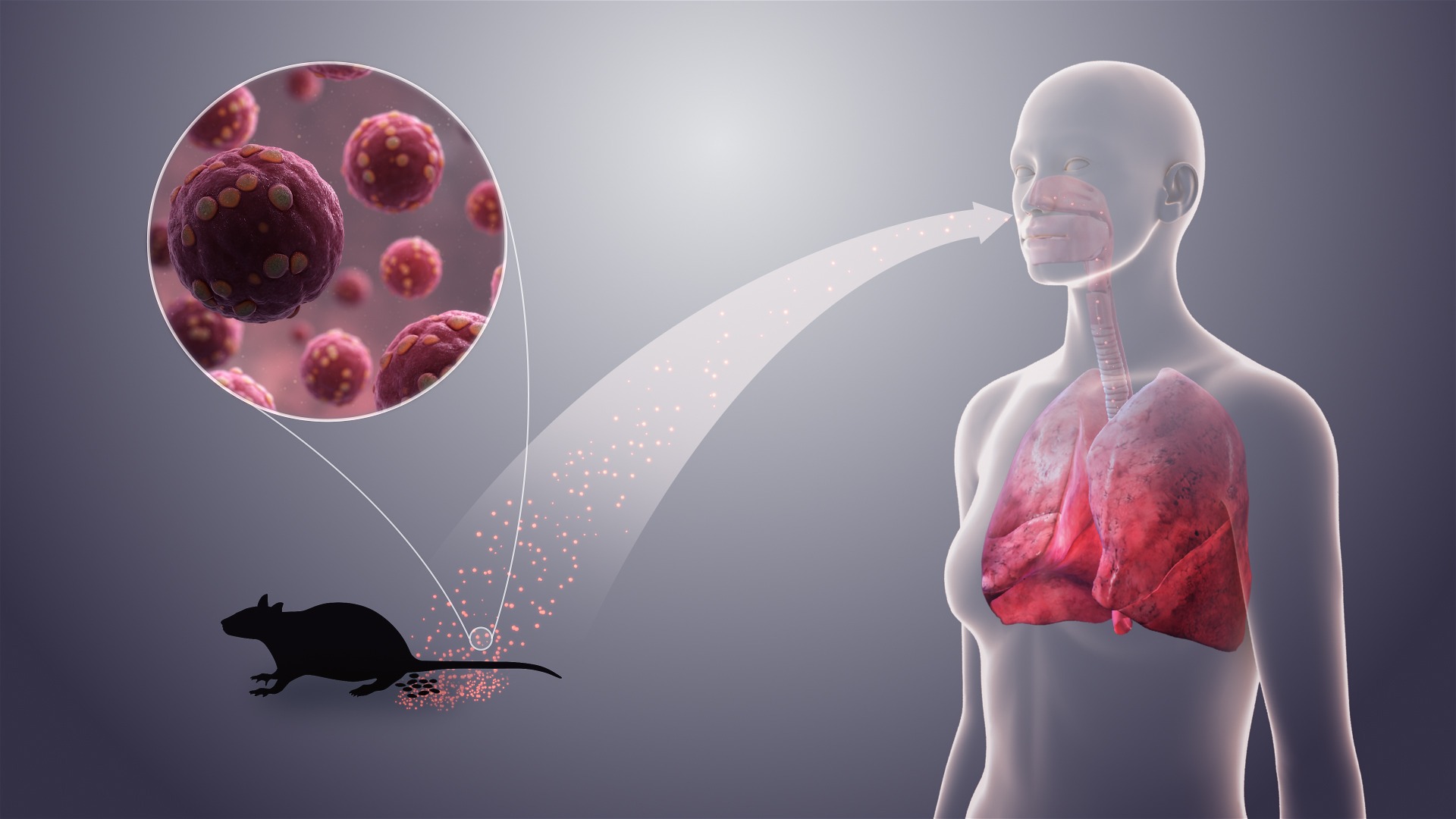
3D medical animation showing Hantavirus by Scientific Animations, via Wikimedia Commons. Licensed under CC BY-SA 4.0.
On the 2nd of May 2026, the World Health Organisation received a notification regarding a cruise ship carrying 147 passengers that had become the centre of a global health alert. By the time the ship was intercepted off the coast of Cape Verde, a country in the Central Atlantic Ocean, on the 4th of May, three people had died, and several others were critically ill (1). The cause was Hantavirus, a rodent-borne disease (carried by rats and mice) that most people had never heard of but is now making headlines across continents, including Africa.
This recent outbreak on a cruise ship was not the first time hantavirus was detected on the African continent. It was a return of an already existing health challenge that has been quietly building for decades.
Treatment of mental health problems is another heavy challenge africa faces, click here to read
What Is Hantavirus?

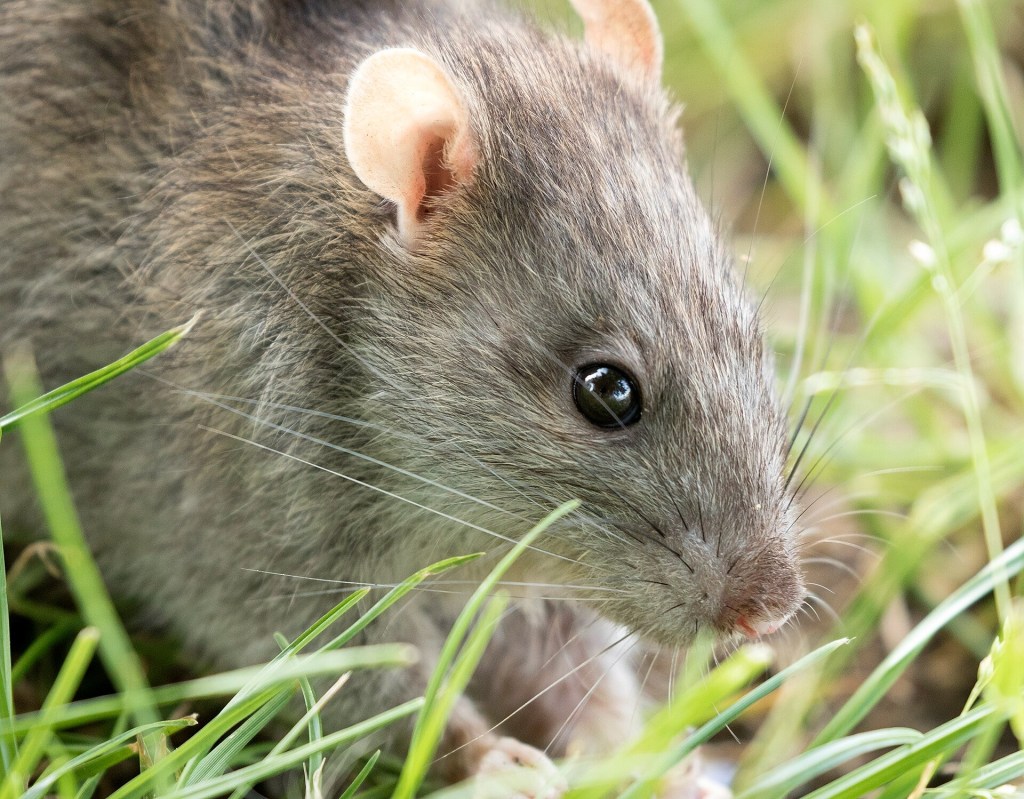
Hantavirus is a family of viruses found naturally in rodents (rats and mice). The virus does not make its animal host (rats) sick, but when it passes to humans, it can cause severe and sometimes life-threatening illness (2).
Hantavirus causes two main disease syndromes in humans. In the Americas, the infection leads to Hantavirus Cardiopulmonary Syndrome (HCPS), a condition that causes severe lung and heart failure. In Europe and Asia, the virus typically causes Haemorrhagic Fever with Renal Syndrome (HFRS), a disease that damages the kidneys and blood vessels (2).
Although Hantavirus is transmitted from rats to humans, the Andes virus, responsible for the 2026 cruise ship outbreak, is the only known Hantavirus strain with documented human-to-human transmission. However, this remains rare and requires close, sustained contact (3).
As we said earlier, Hantavirus is not new. Across the world, an estimated 10,000 to 100,000 Hantavirus infections occur each year, with the highest burden recorded in Asia and Europe (2).
Where Has Hantavirus Been Recorded in Africa?
Africa’s history with Hantavirus is older than many realise, as there have been previous recorded cases before now.
Between 1985 and 1987, blood samples from over 5,000 people across six central African countries, that is, Cameroon, Central African Republic (CAR), Chad, Congo, Equatorial Guinea, and Gabon, were tested for viral haemorrhagic fever antibodies. Hantaan virus antibodies were found in 6.15% of those tested, a rate higher than many countries long known to have the infection (4). Blood-based antibody evidence of Hantavirus was also reported in Rwanda, Senegal, Mauritania, and Swaziland during the same period (4).
The globally distributed strain of Hantavirus known as Seoul virus, which is carried by brown rats (Rattus norvegicus), has since then been detected in rats in various African countries, including Senegal, Benin, and Egypt (4).
More recently, in 2022, a confirmed case of Seoul virus infection was reported in a traveller who returned to France after visiting Kenya, adding further evidence that the virus circulates in East Africa (5).
The trending 2026 cruise ship outbreak brought South Africa directly into the picture as one passenger died in Johannesburg after being medically evacuated from Saint Helena, a British Overseas Territory in the South Atlantic (1). However, Africa’s Centre for Disease Control and Prevention (Africa CDC) confirmed that, as of 5th May 2026, no sustained transmission had occurred within any African country (6).
Over the years, Africa has recorded high number of deaths from pregnancy and childbirth, to know more read: Why Maternal Mortality Remains High in Africa
How Is Hantavirus Transmitted?
The main way humans get infected with hantavirus is by inhaling airborne particles from the urine, feces, or saliva of an infected rat (2).
This typically happens when contaminated material is disturbed, for example, when sweeping an infested room, clearing out a storage space, or working in fields where infected rats live. The microscopic virus particles become airborne and are inhaled before a person is even aware of the exposure (1).
Rodent bites can also transmit the virus, but this is less common. The Andes virus, which can spread from person to person, may be transmitted through close contact with saliva or respiratory secretions, such as during kissing or by sharing utensils with an infected person (3).
It is important to note that hantavirus does not spread through coughing or casual contact, unlike influenza. Infection requires direct or near-direct exposure to an infected source (2).
Who Is Most at Risk of Hantavirus?
Anyone exposed to infected rodents or their excreta is at risk of Hantavirus infection, but certain groups, as mentioned below, face higher exposure and higher risk of infection:
- Farmers and agricultural workers who handle crops or work in fields with high rodent activity
- People who live in homes with rat infestations, particularly in rural or semi-urban areas
- Forest workers, hunters, and campers who spend extended time in natural environments
- Military personnel stationed in the field
- Port and seaport workers, as infected rats can travel aboard ships and enter new regions through maritime trade (7)
- People cleaning or renovating buildings that have been empty for a period of time
The combination of dense rodent populations in both urban and rural settings, limited pest-control infrastructure, and inadequate housing in many African communities increases the risk of exposure and, in turn, the likelihood of Hantavirus infection (4).
Signs and Symptoms of Hantavirus
Hantavirus illness progresses in two stages. The incubation period, which is the time between exposure and first symptoms, is usually two to three weeks but may extend to eight weeks (3).
Stage one (early symptoms)
This includes fever and chills; severe muscle aches (especially in the thighs, hips, back, and shoulders); headache; fatigue; and gastrointestinal symptoms such as nausea, abdominal pain, vomiting, and diarrhea (3).
These early symptoms are easily mistaken for the influenza virus (the virus that causes flu). This is one reason Hantavirus is frequently misdiagnosed at first presentation (2).
Stage two (late symptoms)
Days to weeks after the first stage, the second stage, which comes with respiratory symptoms, appears. These symptoms include cough, shortness of breath, and chest tightness as fluid accumulates in the lungs. Blood pressure may drop, bleeding can start, and kidney failure may happen (2).
This second stage can deteriorate rapidly and is very fatal. According to the Centres for Disease Control and Prevention, 38% of people who develop respiratory problems die from the disease (3).
Early laboratory testing can also be difficult as the symptoms mimic other respiratory illnesses, such as influenza, COVID-19, and viral pneumonia (2). Therefore, a detailed patient history is important to identify if the patient has been exposed to rats or been in areas with known Hantavirus cases.
How Is Hantavirus Treated and Prevented?
There is no licensed antiviral treatment or approved vaccine for Hantavirus infection (2). An antiviral drug called ribavirin has been used in some cases of HFRS but has not been proven effective against the pulmonary (lung-affecting) form of the disease (1).
Therefore, treatment is supportive, focusing on managing symptoms. This includes rest, adequate hydration, close monitoring of breathing and heart function, and intensive care when indicated. Early access to intensive care significantly improves outcomes, particularly in cases of HCPS (2).
Because treatment vaccines are unavailable, prevention remains the most effective tool. To adequately prevent exposure to Hantavirus infection, take note of the following:
- Seal cracks and openings in walls, floors, and roofs to prevent rats from entering living spaces
- Store food, including animal feed, in sealed, rodent-proof containers
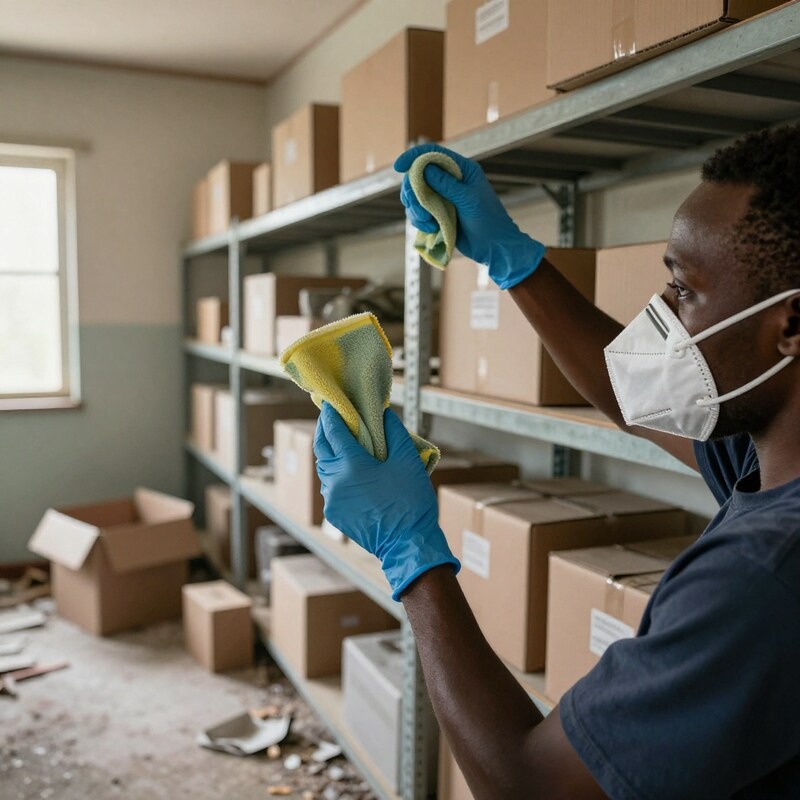
- Do not sweep dry, potentially contaminated surfaces; instead, dampen the area with a disinfectant before cleaning to prevent particles from becoming airborne.
- Use gloves and an N95 mask (a tight-fitting breathing mask that filters airborne particles) when cleaning areas known to have rodent activity
- Report and manage rat infestations promptly
- Travellers visiting areas with known Hantavirus activity should avoid contact with wild rodents and seek medical attention immediately if symptoms develop (2, 6)
What Does This Mean for Africa?
The 2026 cruise ship outbreak was a signal of the inadequacy of Africa’s disease detection and treatment systems, not an unfortunate incident. Serological evidence from across Sub-Saharan Africa already shows that exposure to Hantavirus strains has been occurring for decades. Infected rats carrying the virus exist across the continent, from West Africa to East Africa, and seaports continue to serve as entry points for new strains carried by rats in ship cargo (7).
What is largely absent is the surveillance infrastructure needed to detect, confirm, and report human cases. Without it, Hantavirus infections in Africa will continue to be missed, misclassified, or attributed to more familiar febrile illnesses.
Africa CDC has called on member states to strengthen port health services and ensure timely reporting of suspected cases (6). These are necessary steps; however, closing the gap between a virus that is already present and a health system capable of responding to it will require sustained investment in diagnostic capacity, public awareness, and community rodent control.
References
- World Health Organisation. Hantavirus cluster linked to cruise ship travel, Multi-country. World Health Organisation. 2026 May 4 [cited 2026 May 11]. Available from: https://www.who.int/emergencies/disease-outbreak-news/item/2026-DON599
- World Health Organisation. Hantavirus. World Health Organisation. 2024 Apr 10 [cited 2026 May 11]. Available from: https://www.who.int/news-room/fact-sheets/detail/hantavirus
- Centres for Disease Control and Prevention. Hantavirus: current situation [Internet]. Atlanta (GA): Centres for Disease Control and Prevention; 2026 May 8 [cited 2026 May 11]. Available from: https://www.cdc.gov/hantavirus/situation-summary/index.html
- Clement J, LeDuc JW, Lloyd G, Reynes JM, McElhinney L, Van Ranst M, et al. Wild rats, laboratory rats, pet rats: global Seoul hantavirus disease revisited. Viruses. 2019 Jul 17;11(7):652. Available from: https://pubmed.ncbi.nlm.nih.gov/31319534/
- Lepage TM, Boullé C, Le Moing V, Foulongne V, Sauvage V. Seoul virus infection and subsequent Guillain-Barré syndrome in a traveller returning to France from Kenya, 2022. Emerging infectious diseases. 2025 Feb;31(2):309. Available from: https://pmc.ncbi.nlm.nih.gov/articles/PMC11845129/
- Africa Centres for Disease Control and Prevention. Statement on multi-country hantavirus cluster associated with cruise ship travel [Internet]. Addis Ababa (ET): Africa CDC; 2026 May 11 [cited 2026 May 11]. Available from: https://africacdc.org/news-item/statement-on-multi-country-hantavirus-cluster-associated-with-cruise-ship-travel/
- Castel G, Filippone C, Tatard C, Vigan J, Dobigny G. Role of seaports and imported rats in Seoul hantavirus circulation, Africa. Emerging Infectious Diseases. 2023 Jan;29(1):20. Available from: https://pmc.ncbi.nlm.nih.gov/articles/PMC9796207/
About the Author