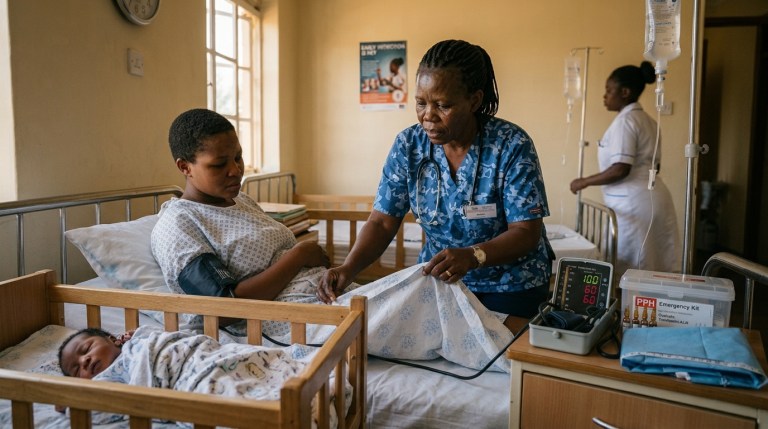
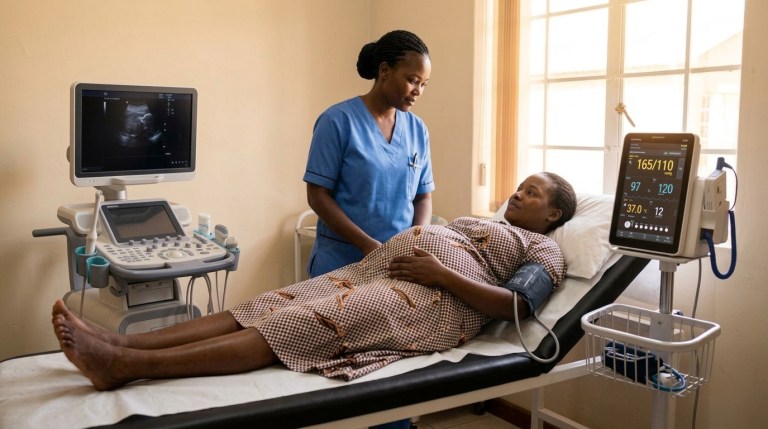
A woman in the market selling traditional African medicinal plants and preparations
Introduction
Traditional African medicine has been in use in Africa for thousands of years as a means of relief and healing. Long before hospitals and pharmaceutical drugs arrived on the continent, African communities relied on plants, roots, and bark, as well as traditional healers, to treat illnesses. Even today, in 2026, millions of Africans continue this practice.
However, prolonged use of traditional African medicine does not necessarily make it safe or dependable. To explore the safety of this practice, we first need to understand what traditional African medicine is, how widely it is used, and what the scientific evidence says about its safety.
What Is Traditional African Medicines?
The World Health Organization (WHO) defines traditional medicine as the sum of all knowledge, skill, and practices based on the theories, beliefs, and experiences of a specific culture that is used to sustain health as well as to prevent, diagnose, treat, or improve physical and mental well-being (1). So, traditional African medicine is the combination of knowledge, skills, substances, and practices that Africans use to treat and manage diseases, guided by their beliefs and experiences about how the medicine achieves its intended outcome.
Traditional African medicine is a broad healthcare system organized into three categories: divination, spiritualism, and herbalism. Although the three levels may overlap in some situations, this is not always the case (2). In this paper, however, our focus is on herbalism.
Herbalism is the oldest and most widely used form of traditional African medicine (2). According to the WHO, herbalism is the use of herbs, herbal materials, herbal preparations, and finished herbal products that contain whole plants or other plant materials like leaves, bark, berries, flowers, roots, and/or their extracts as active ingredients for therapeutic use in humans and sometimes animals (2). Herbalism, as a branch of traditional African medicine, is also known as botanical medicine, vegetable medicine, or phytomedicine.
The practice of traditional African medicine usually relies on past experiences and observations handed down from generation to generation, either through words, especially in the form of stories, or, in modern times, through writing (2). Traditional medicine in Africa is not one single system rather, it varies across regions, ethnic groups, and countries, and it generally involves traditional healers who diagnose and treat patients using methods learned from their elders.
Common Examples of Traditional African Medicines
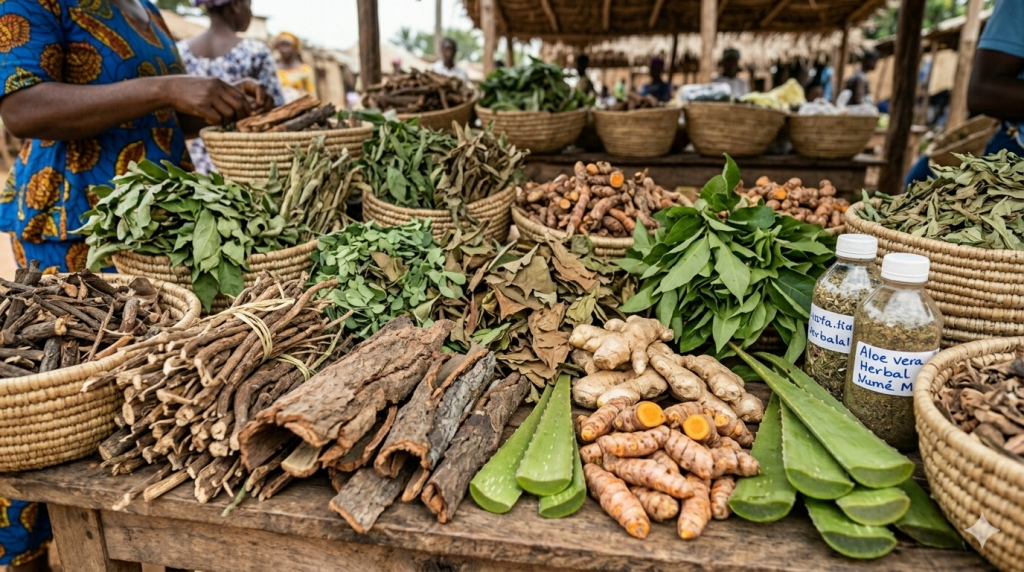
Across the African continent, certain plants and treatments appear frequently in traditional medicine practices. Here are examples documented in scientific literature (3).
- Ocimum basilicum (basil)
This herb is commonly used in Ethiopia as a cooking spice. It is traditionally believed to heal various ailments, such as malaria and headaches, and is also a common insect repellent in Ethiopia.
- Brassica nigra (black mustard)
Known for its stimulating and warming effects, it supports circulation and is often used to manage pain, digestive discomfort, and wound healing.
- Nigella sativa Linn (black seed)
A common Ethiopian herb used to treat rheumatism, arthritis, and other inflammatory diseases.
- Capsicum annuum (chili pepper)
Its active component (capsaicin) promotes digestion and improves circulation, which explains its role in treating gastrointestinal issues and enhancing overall vitality.
- Cinnamomum zeylanicum (cinnamon)
Rich in antioxidant compounds, it helps combat infections and supports metabolic and digestive health.
- Coriandrum sativum (coriander)
Known for its soothing effects on the digestive system, it helps relieve gastrointestinal irritation and supports gut function.
- Allophylus africanus
Traditionally used in Ghana, particularly in supporting breast milk production and managing conditions like hemorrhoids.
- Aloe vera Linn (Aloe vera)
Widely used across Africa as an antiseptic, for wound healing, and for managing cough.
For more on the documented examples of traditional African medicines, read: Traditional African medicine
How Many Africans Use Traditional Medicine?
Before examining whether traditional medicine is safe, we need to understand how many people use and depend on it.
According to the WHO, up to 80% of the African population uses traditional medicine for primary healthcare (4). This means that the majority of Africans, in hundreds of millions, rely on traditional medicine as their main source of healthcare.
The high number of Africans who use traditional medicine is due to several factors, as explained below.
First, hospitals and health facilities are often too expensive for many Africans. Many households in Africa earn less than what is needed to meet their basic needs, so even where hospitals exist, most families cannot afford the fees. Traditional healers, however, often charge less and accept payment in installments or through barter (exchanging goods instead of money).
Second, hospitals are too far away from the indigenous people who need them the most. In some rural areas, the nearest hospital might be 20 or 30 kilometers away. Because most of the people in the rural areas cannot afford the transport fare or the time involved in reaching a hospital, they turn to traditional healers who live within the community.
Third, cultural beliefs also influence the choice of where to obtain care. Many Africans believe that some illnesses have spiritual causes that Western medicine cannot address. They believe traditional healers understand these spiritual dimensions better and have potent substances for its treatment than hospital professionals do. Therefore, traditional medicine fills a massive gap in Africa’s healthcare system – it provides readily available, accessible and affordable care to people who believe they have no better option. But is this care safe?
Read also: The Tuberculosis Detection Gap in Africa
Documented Safety Concerns of Traditional African Medicines
Regardless of how common traditional medicines are in Africa there are some safety concerns about them as most of them have not been scientifically examined and proven harmless.
1. Microbial Contamination
In 2024, researchers published a systematic review examining microbial contamination of herbal medicines in Africa (5). The study analyzed 50 research papers covering 12 African countries including Nigeria, Ghana, Kenya, South Africa, Tanzania, and Uganda.
The researchers of the above study found that 57% of herbal medicines tested contained Staphylococcus aureus (5). This is a dangerous bacteria that causes food poisoning, skin infections, pneumonia, and bloodstream infections. In people with weak immune systems such as people living with HIV, elderly individuals, or young children, Staphylococcus aureus infections can be very fatal.
The study also found 55% contamination with Bacillus species, a bacteria that produces toxins causing severe diarrhea and vomiting (5). The researchers further detected 62% of Escherichia coli (E. coli) in multiple samples. Usually, the presence of E. coli indicates fecal contamination, this means human or animal feces entered the herbal preparations during processing or storage.
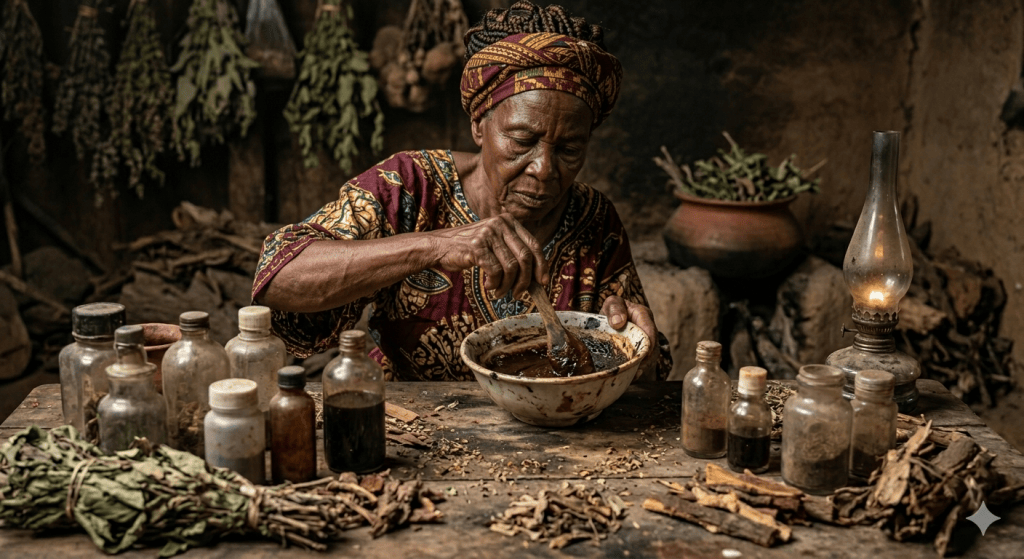
Contamination of these herbal medicines is commonly due to poor hygiene and sanitation. Many traditional healers lack access to clean water and sterilization equipment. So, they prepare medicines in environments without sanitation infrastructure and store the preparations in non-sterile containers.
The consequence is that people take herbal medicine expecting it to cure their illness, but instead, they get infections from it. Some develop severe diarrhea leading to dehydration, blood infection and even death.
According to WHO, only 43% of African countries have regulatory frameworks for herbal medicines (6). This means 57% of African countries have no legal requirements for hygiene, testing, or quality control of traditional medicines.
2. Heavy Metal Toxicity
Heavy metals are poisonous elements including lead, mercury, arsenic, copper that can be found in some herbal preparations. When these metals enter the human body, they accumulate in organs, particularly the liver and kidneys. Over time, they cause serious damage to the body systems.
Several studies just like the one conducted by Nwachukwu and his team in Southeastern Nigeria demonstrates that many plant-based traditional medicines contain heavy metal concentrations that significantly exceed international safety standards set by the WHO (7). The researchers warn that regular consumption of these herbal medicines could lead to toxic metal poisoning over time due to bioaccumulation in the body which can cause major organ damage.
Heavy metal contamination is a major contributor to toxicity that can lead to life-threatening situations or death. There are a number of ways in which these heavy metals get into herbal medicines, it includes the following:
First, absorption from contaminated soil. If medicinal plants grow near mines, factories, or areas where industrial waste has been dumped, the plants absorb lead, mercury, or other toxic metals from the ground.
Second, the water used to prepare herbal medicines may contain heavy metals. Many water sources in Africa are contaminated with industrial pollution, hence when the water is used in preparing traditional medicines, it introduces heavy metals inside them.
Third, the containers used to store herbal medicines can leach metals into the liquid. Some traditional healers use metal pots or containers made from materials that release toxic substances.
The problem however, is that traditional healers have no way to test for heavy metals – they lack laboratories and lack testing equipment. They cannot see, smell, or taste heavy metals, so they unknowingly prepare and sell contaminated medicines.
Patients who take these contaminated preparations develop symptoms slowly. They might experience vomiting, abdominal pain, neurological problems like numbness or confusion, and eventually organ failure. Many do not realize the herbal medicine is causing their symptoms, by the time they reach a hospital, significant organ damage has already occurred.
3. Inherently Toxic Plants
Many plants used for food or medicine can be harmful because they contain natural active chemicals that may cause mutations or even cancer (8). These active compounds differ from one plant to another, even within the same species. Because of these built-in chemicals, some traditional medicines are naturally poisonous. Well-known examples of toxic plants include Deadly Nightshade (Atropa belladonna), Thorn Apple (Datura), and Foxglove (Digitalis) (8).
Because these remedies have been passed down for generations, they are often believed to be perfectly safe. Herbal toxicity can occur because of simple mistakes, such as misidentifying a plant that looks like a safe one, or using the wrong part of the plant – like using a toxic root when only the leaves are safe, or using a higher dose.
Since traditional healers rely on oral history rather than lab testing, a plant that is helpful in a small dose can easily become toxic if the concentration is too high. But they do not know this because they lack the ability and resources to perform chemical analysis that can measure exact doses. This lack of precision creates a constant risk of accidental poisoning.
4. Interactions With Hospital Medicines
Another safety concern of traditional African medicine is the herbal to drug interaction. Herb-drug interactions (HDI) are risks and side effects that occur when herbal products are used alongside conventional pharmaceutical drugs (9).
These interactions fundamentally alter the way the body absorbs and processes medication, either by decreasing a drug’s effectiveness or by increasing its toxicity to dangerous levels (9). Common herbs with noted herb to drug interaction are garlic, ginger, ginseng, and licorice (9).
Because these interactions can inhibit essential treatments or cause medications to build up to toxic levels in the bloodstream, they pose a significant threat to safe and clinical use of medicine.
Some Traditional Medicine Are Beneficial
Despite the safety concerns regarding the use of traditional African medicines, some have been scientifically proven to be safe and effective.
About 40% of modern pharmaceutical medications are derived from natural plant sources (10). This is because many plants used in traditional medicine contain bioactive compounds with genuine therapeutic properties.
For example, artemisinin which is the most effective antimalarial drug, comes from Artemisia annua – a plant used in traditional Chinese medicine. Aspirin was originally derived from willow bark, while Digoxin, used for heart conditions, comes from foxglove plants (10). These medicines are commonly used in the hospital settings because they have been tested and carefully studied.
There are lots of other traditional medicines out there that have several therapeutic uses, but to achieve safe and accurate usage, these plants have to be correctly identified, properly prepared, and appropriately dosed. This way they can provide health benefits with minimal and controlled risks.
How To Improve The Safety of Traditional African Medicines
In order to enhance the safety of traditional African medicines, a number of changes including but not limited to the following need to be strictly implemented:
1. Implement Safety Regulations
African countries need laws requiring that herbal medicines be tested for safety before being sold, and prepared products should have labels listing ingredients, dosages, warnings about side effects, and expiration dates. Also, manufacturing processes should meet basic hygiene standards and testing should screen for bacterial contamination, heavy metals, and toxic compounds.
Currently, only 43% of African countries have such regulations (6). This means that the remaining 57% allow unregulated sale of herbal products with no quality control whatsoever.
2. Train Traditional Healers
Traditional healers need structured training covering basic hygiene, how to prevent contamination during preparation, how to recognize danger signs requiring hospital referral, understanding of interactions between herbs and pharmaceutical drugs, and ethical treatment of patients including respect for human rights.
3. Conduct Scientific Research
Over 5,000 medicinal plants are used across Africa, but very few have undergone scientific testing. (11). African countries need research programs to test plants for safety and effectiveness, document which plants are toxic and should not be used, standardize preparation methods for plants proven to be safe, and study potential interactions with pharmaceutical medications.
4. Create Collaboration Systems
Healthcare systems should establish referral pathways between traditional healers and hospitals. This includes training traditional healers on how to recognize emergencies requiring immediate medical attention such as severe bleeding, high fever, or loss of consciousness. Also, healthcare providers should be taught to ask patients about herbal medicine use without judgment. This way patients feel safe disclosing all treatments they are using leading to accurate diagnosis and efficient disease management.
5. Educate the Public
The public who are the major consumers of traditional medicines need accurate information. They should understand that natural does not automatically mean safe and that some herbal medicines can dangerously interact with pharmaceutical medications. They should be able to identify signs of contamination and know when to seek hospital care instead of relying still on traditional treatment.
Read also: Why Maternal Mortality Remains High in Africa
Conclusion
The evidence-based answer is that some traditional medicines are reasonably safe when properly prepared and used correctly, but many are not safe. And right now, there is no reliable way for the public to know which is which.
The documented risks of traditional African medicines include bacterial contamination, heavy metal toxicity, herb-drug interactions and inherent toxicity. Regardless of these risks, the fundamental problem is not traditional medicine itself, but the absence of regulation, testing, quality control, and safety standards. To improve this, African countries need to implement comprehensive safety regulations, scientifically test medicinal plants, train traditional healers in safety protocols, and create collaboration between traditional and modern healthcare systems.
Without the implementation of these strategies people will continue to suffer adverse effects from contaminated preparations. Patients will experience organ failure from toxic herbs and treatment failures from herb-drug interactions.
Traditional medicine should be made safer for the hundreds of millions of Africans who depend on traditional medicine. The knowledge exists and the solutions exist, what is missing is the will to implement and uphold safety standards and the investment required to test, regulate, and standardize traditional medicine practices.
Until that changes, the answer to “Are traditional African medicines safe?” remains: not safe enough.
References
- WHO. Traditional, complementary and integrative medicine. [Internet]. Geneva, World Health Organization, 2022. Available from: https://www.who.int/health-topics/traditional-complementary-and-integrative-medicine
- Ezekwesili-Ofili JO, Okaka ANC. Herbal Medicines in African Traditional Medicine. In: Builders PF, editor. Herbal Medicine. London: IntechOpen; 2019. Available from: https://www.intechopen.com/chapters/64851.
- Chaitanya MV, Baye HG, Ali HS, Usamo FB. Traditional african medicine. Available from https://www.intechopen.com/chapters/75561
- World Health Organization. Regional Office for Africa. Message of WHO Regional Director for Africa, Dr Matshidiso Moeti, for African Traditional Medicine Day, 31 August 2022 [Internet]. Brazzaville: WHO | Regional Office for Africa; 2022 Aug 31 [cited 2026 Mar 24]. Available from: https://www.afro.who.int/regional-director/speeches-messages/african-traditional-medicine-day-2022
- Ahiabor WK, Darkwah S, Donkor ES. Microbial contamination of herbal medicines in Africa, 2000-2024: a systematic review. Environmental Health Insights. 2024 Oct;18:11786302241293345. Available from: https://journals.sagepub.com/doi/full/10.1177/11786302241293345
- Chihaka TR, Ijaz N, Kasilo O, James PB, Gallego-Perez D, Wardle J, Gyasi R. Protocol for a Scoping Review of Traditional and Complementary Medicine Governance Across Sub-Saharan Africa. Perspectives on Integrative Medicine. 2024 Jun 21;3(2):123-8. Available from: https://researchportal.scu.edu.au/esploro/fulltext/journalArticle/Protocol-for-a-Scoping-Review-of/991013200413702368?repId=12125909230002368&mId=13125909220002368&institution=61SCU_INST
- Nwachukwu RE, Janefrances NI, Jude IA, Fausta IO, Simon UO, Ogechi LA. Assessment of heavy metals content of some plant-based medicines in parts of southern Nigeria, West Africa. International Journal of Pharmaceutical Sciences and Research. 2018;9(2):775-83. Available from here
- Mensah ML, Komlaga G, Forkuo AD, Firempong C, Anning AK, Dickson RA. Toxicity and safety implications of herbal medicines. Herbal medicine. 2019 Jan 30;63:1-7. Available from: https://www.intechopen.com/chapters/58270
- Cheng W, Xia K, Wu S, Li Y. Herb-drug interactions and their impact on pharmacokinetics: an update. Current drug metabolism. 2023 Jan 1;24(1):28-69. Available from: https://www.benthamdirect.com/content/journals/cdm/10.2174/1389200224666230116113240
- World Health Organization. Traditional medicine has a long history of contributing to conventional medicine and continues to hold promise [Internet]. Geneva: World Health Organization; 2023 Aug 10 [cited 2026 Mar 24]. Available from: https://www.who.int/news-room/feature-stories/detail/traditional-medicine-has-a-long-history-of-contributing-to-conventional-medicine-and-continues-to-hold-promise
- Van Wyk BE. A review of commercially important African medicinal plants. Journal of ethnopharmacology. 2015 Dec 24;176:118-34. Available from: https://www.sciencedirect.com/science/article/pii/S0378874115301896
About the Author