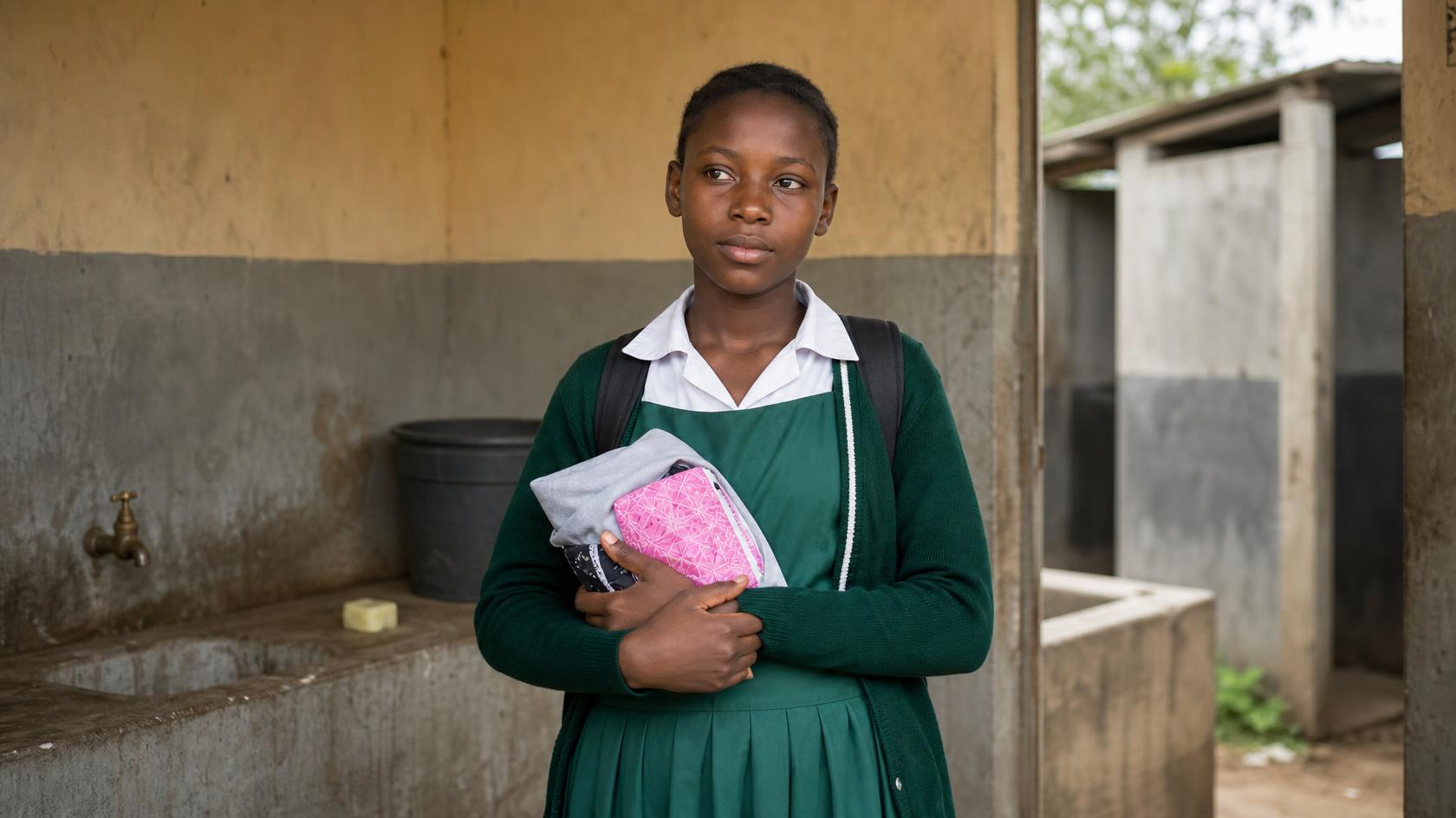
Menstrual hygiene refers to the practices and conditions that enable women and adolescent girls to manage their menstruation safely, hygienically, and with dignity. It includes access to clean menstrual products, proper sanitation facilities, and accurate information about menstruation. Good menstrual hygiene is essential for preventing infections, promoting well-being, and ensuring that girls can participate fully in daily activities, including school.
Globally, many girls face challenges managing menstruation. These include stigma, lack of education, and limited access to sanitary products. According to the World Health Organization (WHO) and the United Nations Children’s Fund (UNICEF), menstrual health is still not adequately addressed in many school systems worldwide (WHO & UNICEF, 2021)
Global Statistics on Menstrual Hygiene
Recent global findings from the WHO/UNICEF Joint Monitoring Program (JMP, 2021) show significant gaps in menstrual hygiene management in schools, which are as follows:
- Only 2 out of 5 schools (39%) globally provide menstrual health education.
- About 1 in 3 schools (31%) lack bins for menstrual waste in girls’ toilets.
- In sub-Saharan Africa, only 1 in 8 schools (12%) provide menstrual materials.
- Only about 11% of schools in the region have proper menstrual waste disposal facilities.
- Many adolescent girls reach menarche without prior knowledge or preparation.
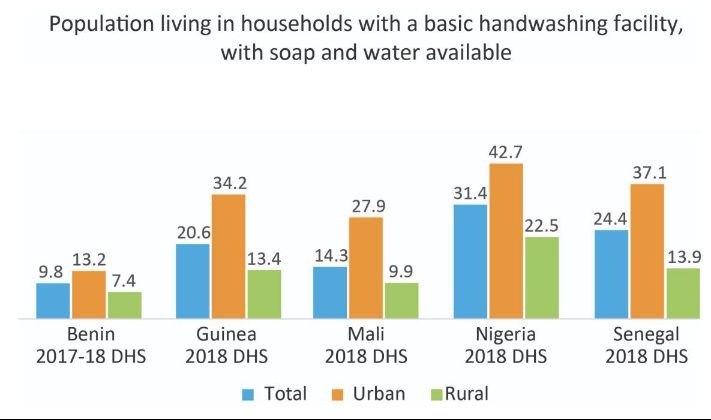
Grouped bar chart titled “Population living in households with a basic handwashing facility, with soap and water available” compares total (blue), urban (orange), and rural (green) percentages across five West African countries using DHS survey data. Urban populations consistently have higher access than rural populations across all countries.
Globally, many adolescent girls face challenges managing menstruation due to poor sanitation and lack of prior knowledge. Some of these girls miss school during menstruation and also have limited access to sanitary products (UNICEF, 2021; WHO, 2019; UNESCO, 2014).
In Lagos, Nigeria, menstrual hygiene awareness among adolescent girls varies widely depending on socioeconomic status and access to education. While some urban areas have better access to sanitary products and information, many girls in low-income communities still face significant challenges.
Why Do Women Stay Silent About Vaginal Itching?
Menstrual Hygiene Situation in Lagos, Nigeria
- Approximately 37% of girls in Nigeria lack access to adequate menstrual hygiene materials (UNICEF Nigeria, 2021).
- About 1 in 10 girls in sub-Saharan Africa miss school during menstruation, including Nigeria (UNESCO, 2014).
- A study in Lagos found that over 40% of adolescent girls use improvised materials such as cloth or tissue (WaterAid Nigeria, 2019).
- – Only around 30–50% of schools in Nigeria have adequate WASH facilities to support menstrual hygiene (UNICEF, 2020).
Challenges Faced by Adolescent Girls in Lagos, Nigeria.
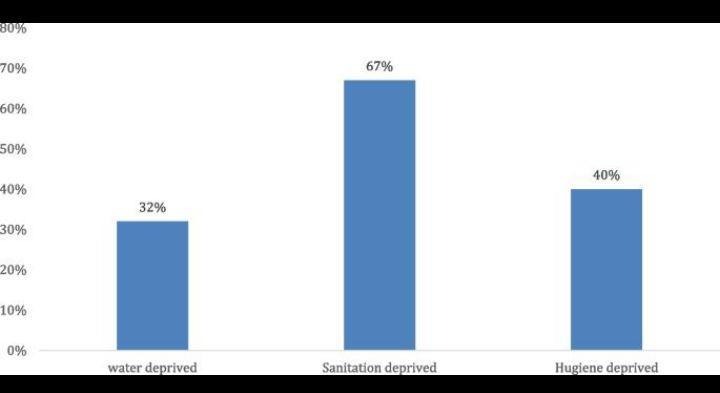
Bar chart showing WASH deprivation levels: 32% water deprived, 67% sanitation deprived, and 40% hygiene deprived
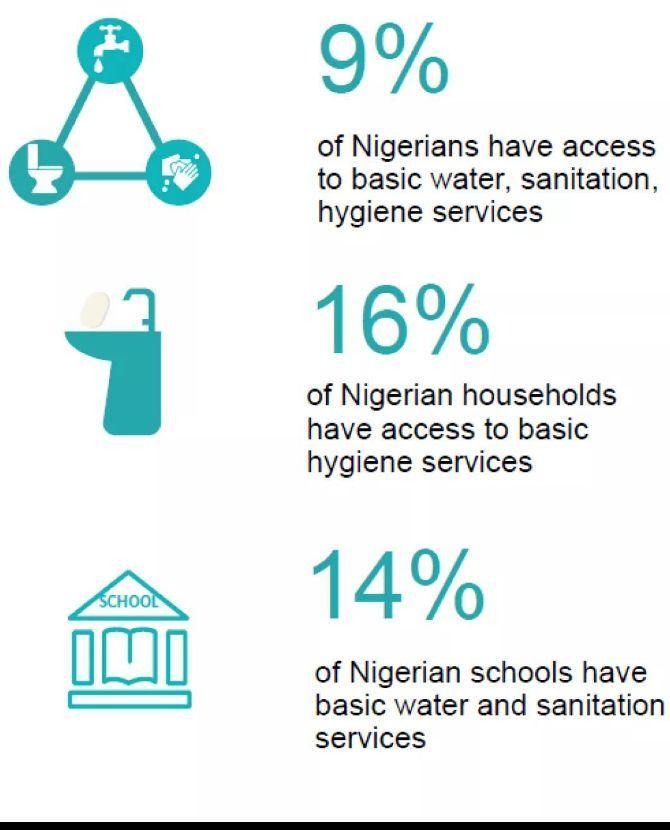
Infographic highlighting Nigeria’s WASH access statistics: only 9% of Nigerians have access to basic water, sanitation, and hygiene services; 16% of Nigerian households have access to basic hygiene services; and 14% of Nigerian schools have basic water and sanitation services. Icons represent the WASH triangle, a handwashing station, and a school building.
The above charts highlight that a large proportion of girls struggle with access to menstrual hygiene materials. As a result, some adolescent girls resort to using unsafe materials, increasing the risk of infections.
Additionally, misinformation and embarrassment often prevent open discussions about menstruation, leaving many girls unprepared when they experience their first period.
Safety Concerns of Traditional African Medicines
Barriers to Menstrual Hygiene Management among Girls in Lagos
- Inadequate Menstrual Health Education (UNICEF, 2021; UNESCO, 2014): Many schools do not provide comprehensive menstrual health education. UNICEF (2021) highlights that lack of awareness prevents proper hygiene practices, while UNESCO (2014) notes that the absence of puberty education leads to fear and misinformation.
- Poor Water, Sanitation, and Hygiene (WASH) Facilities (WHO, 2019; UNICEF, 2020): Limited access to clean toilets, water, and disposal systems makes it difficult for girls to manage menstruation safely, contributing to absenteeism and health risks.
- Cultural Stigma and Taboos (UNICEF, 2021; UNFPA, 2022): Menstruation remains a taboo topic, discouraging open discussion and reinforcing shame among adolescent girls.
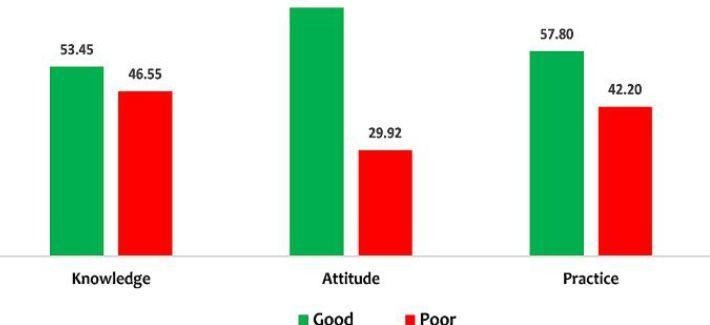
Grouped bar chart comparing Good (green) vs. Poor (red) ratings across three categories among adolescent girls: Knowledge — 53.45% Good, 46.55% Poor; Attitude — 70.08% Good (implied), 29.92% Poor; Practice — 57.80% Good, 42.20% poor.

Bar chart showing the percentage of adolescent girls in Lagos, Nigeria, who received primary healthcare services, attended health education by primary healthcare services, and took IFA tablets during their menstrual period. Results show low uptake (Yes) vs. high non-uptake (No): facilities received 43% vs. 57%; health education attended 26% vs. 74%; IFA tablet intake 4% vs. 96%.
Poor WASH facilities are identified as the most critical barrier, while lack of education and cultural stigma also significantly contribute to poor menstrual hygiene management.
Improving Menstrual Hygiene Among Adolescent Girls in Lagos.
To effectively improve menstrual hygiene among adolescent girls in Lagos, various organisations gave a comprehensive multi-sectoral approach, which should involve collaboration between government agencies, schools, healthcare providers, communities, and development partners.
Strengthen Menstrual Health Education
Comprehensive and age-appropriate menstrual health education should be integrated into school curricula. This will equip adolescent girls with accurate knowledge about menstruation, hygiene practices, and reproductive health. Additionally, teachers should be trained to deliver this content confidently and sensitively, while boys should also be educated to foster understanding and reduce stigma (UNICEF, 2021; UNESCO, 2014).
Improve Access to Affordable Menstrual Products
Efforts should be made to ensure that menstrual products are affordable and accessible to all girls, particularly those from low-income households. This can be achieved through government subsidies, tax reductions, local production initiatives, and partnerships with NGOs to distribute free or low-cost sanitary products (UNFPA, 2022; UNICEF, 2021).
Enhance Water, Sanitation, and Hygiene (WASH) Facilities
Schools and public spaces must be equipped with safe, clean, and private sanitation facilities that support menstrual hygiene management. This includes access to clean water, soap, disposal bins, and private changing areas. Improving WASH infrastructure will enable girls to manage menstruation with dignity (WHO, 2019; UNICEF, 2020).
Address Cultural Stigma and Misconceptions
Community-based awareness campaigns should be implemented to challenge harmful cultural beliefs and taboos surrounding menstruation. Engaging parents, religious leaders, and community influencers can help normalize conversations about menstruation and create a supportive environment for adolescent girls (UNICEF, 2021; UNFPA, 2022).
Promote School Retention Systems
Policies and programmes should be introduced to support girls’ continuous school attendance during menstruation. This includes providing menstrual products in schools, creating girl-friendly environments, and establishing support systems such as school health clubs and counselling services (UNESCO, 2014; UNICEF, 2021).
Integrate Menstrual Health into Healthcare Services
Menstrual health should be incorporated into primary healthcare services, ensuring that adolescent girls have access to accurate information, counselling, and medical support for menstrual-related issues. Healthcare providers should also be trained to address menstrual health concerns without stigma (WHO, 2022; UNFPA, 2022).
Strengthen Policy and Government Commitment
The government should develop and enforce policies that prioritize menstrual health and hygiene. This includes budget allocation, monitoring and evaluation frameworks, and inclusion of menstrual health in national health, education, and gender policies. Strong political will is critical for sustainable impact (World Bank, 2018; UNICEF, 2021).
Impact of Menstrual Hygiene on Education & Health Outcomes.
Poor menstrual hygiene has the highest impact on infections, followed by school absenteeism and low self-esteem. Academic performance is also affected, though indirectly.
Conclusion.
Menstrual hygiene awareness is essential for the health and empowerment of adolescent girls in Lagos, Nigeria. While progress has been made, significant gaps remain in education, access, and social acceptance.
Nigeria-specific data shows that a large proportion of girls still lack access to menstrual products and adequate sanitation facilities, directly affecting their health and education. Addressing these challenges requires coordinated efforts from government, schools, communities, and international organizations.
By strengthening awareness programs, improving access to resources, and addressing cultural barriers, stakeholders can ensure that every girl can manage her menstruation with dignity and confidence.
References.
World Health Organization (WHO), & United Nations Children’s Fund (UNICEF). (2021). Progress on household drinking water, sanitation and hygiene 2000–2020: Five years into the SDGs. https://data.unicef.org/resources/progress-on-household-drinking-water-sanitation-and-hygiene-2000-2020
UNICEF Nigeria. (2021). Menstrual hygiene management in Nigeria. https://www.unicef.org/nigeria
UNESCO. (2014). Puberty education & menstrual hygiene management. https://unesdoc.unesco.org
WaterAid Nigeria. (2019). Menstrual hygiene practices among adolescent girls in Nigeria. https://www.wateraid.org
UNFPA. (2022). Menstrual health and dignity report. https://www.unfpa.org
World Bank. (2018). Menstrual hygiene management enables women and girls. https://www.worldbank.org
About the Author