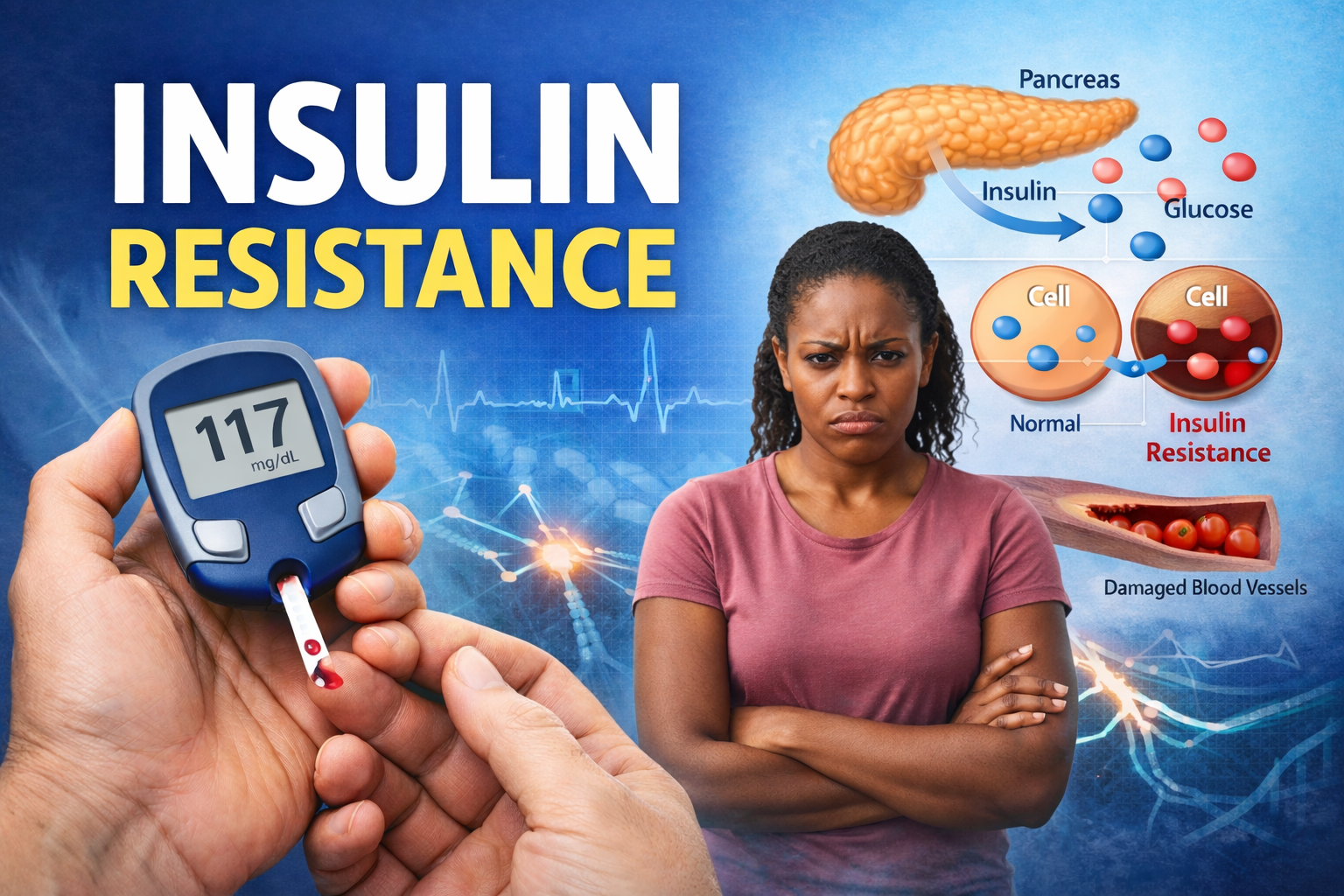
Insulin resistance is a growing public health concern linked to type 2 diabetes, heart disease, and other metabolic disorders. It develops gradually and often goes unnoticed for years. Early recognition is essential because insulin resistance increases the risk of long-term complications.
According to the Centers for Disease Control and Prevention (CDC), more than 38 million people in the United States have diabetes, and many more have prediabetes, a condition closely associated with insulin resistance. Globally, the World Health Organization (WHO) reports rising rates of type 2 diabetes, largely driven by lifestyle and metabolic factors.
The burden is also rising across Africa. The WHO estimates that more than 24 million adults in the African region are living with diabetes, and this number is projected to increase significantly in the coming decades. In addition, systematic reviews of African populations report that approximately one in three adults meets the criteria for metabolic syndrome, a cluster of conditions strongly associated with insulin resistance.
Understanding the early signs of insulin resistance and learning how to prevent insulin resistance naturally can significantly improve metabolic health.
What Is Insulin Resistance?
Insulin resistance occurs when the body’s cells do not respond properly to insulin. Insulin is a hormone produced by the pancreas. It helps move glucose, a type of sugar, from the bloodstream into the cells where it is used for energy.
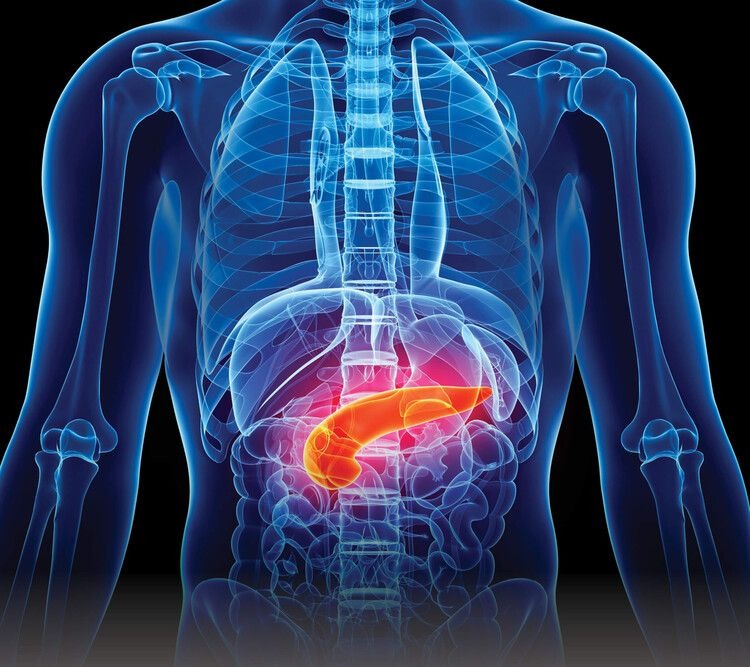
When cells become resistant to insulin, the pancreas produces more insulin to compensate. Over time, this can lead to elevated blood glucose levels. According to the National Institute of Diabetes and Digestive and Kidney Diseases (NIDDK), persistent insulin resistance can progress to prediabetes and eventually type 2 diabetes.
The American Diabetes Association (ADA) explains that insulin resistance is a key feature of type 2 diabetes and often develops years before diagnosis. During this period, blood sugar levels may remain within the normal range, making the condition difficult to detect without testing.
Early Signs of Insulin Resistance
The early signs of insulin resistance are often subtle. Many people experience no clear symptoms until blood sugar levels rise significantly. However, several indicators may suggest underlying metabolic changes.
Fatigue After Meals
Feeling unusually tired after eating, particularly after meals high in refined carbohydrates, may indicate impaired glucose regulation. Refined carbohydrates include foods such as white bread, white rice, pastries, sugary breakfast cereals, sweetened beverages, and processed snacks made with refined flour. These foods are digested quickly and cause a rapid rise in blood glucose levels.

When insulin functions normally, it helps move glucose from the bloodstream into muscle and other cells, where it is used to produce energy. In insulin resistance, the cells respond less effectively to insulin. As a result, glucose remains in the bloodstream for longer, and the pancreas produces more insulin to compensate. These fluctuations in blood sugar and insulin levels may contribute to feelings of fatigue after eating.
Increased Hunger
Frequent hunger or cravings for carbohydrate-rich foods may reflect unstable blood sugar levels. According to the ADA, fluctuations in blood glucose can influence appetite regulation.
Difficulty Losing Weight
Insulin resistance and weight gain are closely linked. Elevated insulin levels promote fat storage, particularly around the abdomen. The NIDDK notes that excess body fat, especially visceral fat, increases the likelihood of insulin resistance.
Skin Changes
Acanthosis nigricans is a skin condition characterized by darkened, thickened patches, often around the neck, armpits, or groin. It is considered a possible sign of insulin resistance, particularly in individuals at risk for type 2 diabetes.

In insulin resistance, the body produces higher levels of insulin to compensate for reduced cellular response. These elevated insulin levels circulate in the bloodstream and can stimulate insulin-like growth factor receptors in skin cells. This stimulation promotes the growth and proliferation of keratinocytes and fibroblasts, the cells responsible for skin structure. Over time, this increased cell growth leads to the thickened, velvety, and hyperpigmented appearance typical of Acanthosis nigricans.
Elevated Blood Sugar Levels
Prediabetes is commonly associated with insulin resistance. It refers to blood glucose levels that are higher than normal but not yet high enough for a diagnosis of diabetes. According to the American Diabetes Association (ADA), prediabetes is defined as a fasting plasma glucose level of 100 to 125 milligrams per deciliter (mg/dL), or a hemoglobin A1c level of 5.7 to 6.4 percent.

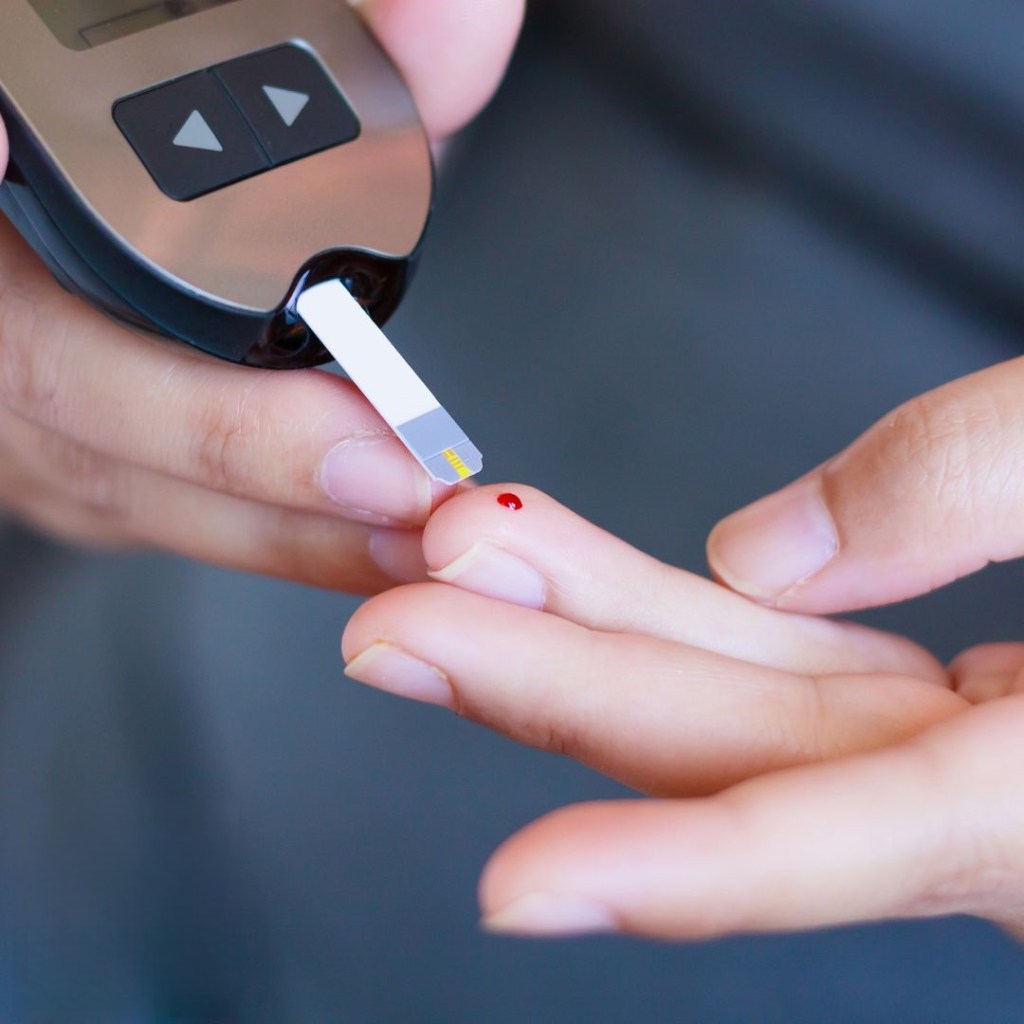
Type 2 diabetes is diagnosed when fasting plasma glucose is 126 mg/dL or higher on two separate tests, or when hemoglobin A1c is 6.5 percent or higher. A fasting blood glucose test, oral glucose tolerance test, or hemoglobin A1c test can help detect both prediabetes and diabetes.
Health Risks Associated With Insulin Resistance
If left unaddressed, insulin resistance can contribute to several serious health conditions.
Type 2 Diabetes
Insulin resistance is a major cause of type 2 diabetes. Over time, the pancreas may be unable to produce enough insulin to overcome resistance. The ADA reports that long-term elevated blood sugar damages blood vessels and nerves. Persistently high glucose levels trigger several biological changes in the body. Excess glucose can attach to proteins in the blood and vessel walls through a process called glycation. This leads to the formation of advanced glycation end products, which promote inflammation and oxidative stress. Oxidative stress refers to cellular damage caused by an imbalance between harmful molecules known as free radicals and the body’s protective antioxidants.
High blood sugar also damages the inner lining of blood vessels, known as the endothelium. The endothelium helps regulate blood flow and prevents abnormal clotting. When it is impaired, blood vessels become less flexible and more prone to narrowing and blockage. This increases the risk of cardiovascular disease.
Cardiovascular Disease
Insulin resistance is associated with high blood pressure, abnormal cholesterol levels, and inflammation. These factors increase the risk of heart disease and stroke. The WHO identifies cardiovascular disease as a leading cause of death worldwide, and metabolic abnormalities significantly contribute to this risk.
Metabolic Syndrome
Metabolic syndrome is a cluster of conditions that includes elevated blood pressure, high blood sugar, excess abdominal fat, and abnormal cholesterol levels. According to the NIDDK, insulin resistance plays a central role in the development of metabolic syndrome.
Obesity
Insulin resistance and weight gain often reinforce each other. Higher insulin levels promote fat storage, while increased body fat worsens insulin sensitivity. This cycle can make weight management more challenging.
How to Prevent Insulin Resistance
Preventing insulin resistance involves addressing modifiable risk factors. Public health agencies emphasize lifestyle changes as the primary strategy.
Balanced Nutrition
A diet rich in vegetables, whole grains, lean proteins, and healthy fats supports stable blood glucose levels. The ADA recommends limiting added sugars and refined carbohydrates, which can cause rapid spikes in blood sugar.
High-fiber foods improve insulin sensitivity by slowing glucose absorption. According to the CDC, dietary patterns that emphasize whole foods are associated with better metabolic health.
Regular Physical Activity
Physical activity improves the body’s ability to use insulin effectively. The CDC recommends at least 150 minutes of moderate-intensity aerobic activity per week for adults.
Exercise helps muscles absorb glucose independently of insulin. This reduces blood sugar levels and improves overall insulin sensitivity.

Weight Management
Even modest weight loss can improve insulin sensitivity. The NIDDK states that losing 5 to 7 percent of body weight can significantly reduce the risk of developing type 2 diabetes in individuals with prediabetes.
Sustainable weight management should focus on gradual changes rather than extreme dietary restrictions.
Adequate Sleep
Short sleep duration and poor sleep quality are associated with impaired glucose metabolism. Research published in peer-reviewed journals indicates that chronic sleep deprivation may worsen insulin resistance.
Most adults require seven to nine hours of sleep per night to support metabolic function.
Regular Medical Screening
Routine screening helps identify elevated blood sugar early. The CDC recommends testing for prediabetes in adults with risk factors such as overweight, family history of diabetes, or physical inactivity.
Early detection allows for timely intervention and reduces the risk of complications
Insulin resistance is a common but often overlooked condition that affects metabolic health. It frequently develops without obvious symptoms. Early signs of insulin resistance, such as fatigue, increased hunger, and difficulty losing weight, may indicate underlying metabolic changes.
Without intervention, insulin resistance increases the risk of type 2 diabetes, cardiovascular disease, and metabolic syndrome. Evidence from the WHO, CDC, ADA, and NIDDK shows that prevention strategies focused on nutrition, physical activity, weight management, sleep, and screening can significantly reduce risk.
Recognizing insulin resistance early and adopting evidence-based lifestyle measures can help protect long-term metabolic health.
References
- Centers for Disease Control and Prevention (CDC). National Diabetes Statistics Report. https://www.cdc.gov/diabetes/php/data-research/index.html
- World Health Organization (WHO). Diabetes Fact Sheets. https://www.who.int/news-room/fact-sheets/detail/diabetes
- National Institute of Diabetes and Digestive and Kidney Diseases (NIDDK). Insulin Resistance and Prediabetes. https://www.niddk.nih.gov/health-information/diabetes/overview/what-is-diabetes/prediabetes-insulin-resistance
- American Diabetes Association (ADA). Standards of Care in Diabetes. https://professional.diabetes.org/standards-of-care
- Knowler WC, et al. Reduction in the incidence of type 2 diabetes with lifestyle intervention. New England Journal of Medicine. 2002. https://pubmed.ncbi.nlm.nih.gov/11832527/
- Spiegel K, et al. Impact of sleep debt on metabolic and endocrine function. The Lancet. 1999. https://pubmed.ncbi.nlm.nih.gov/10543671/
About the Author