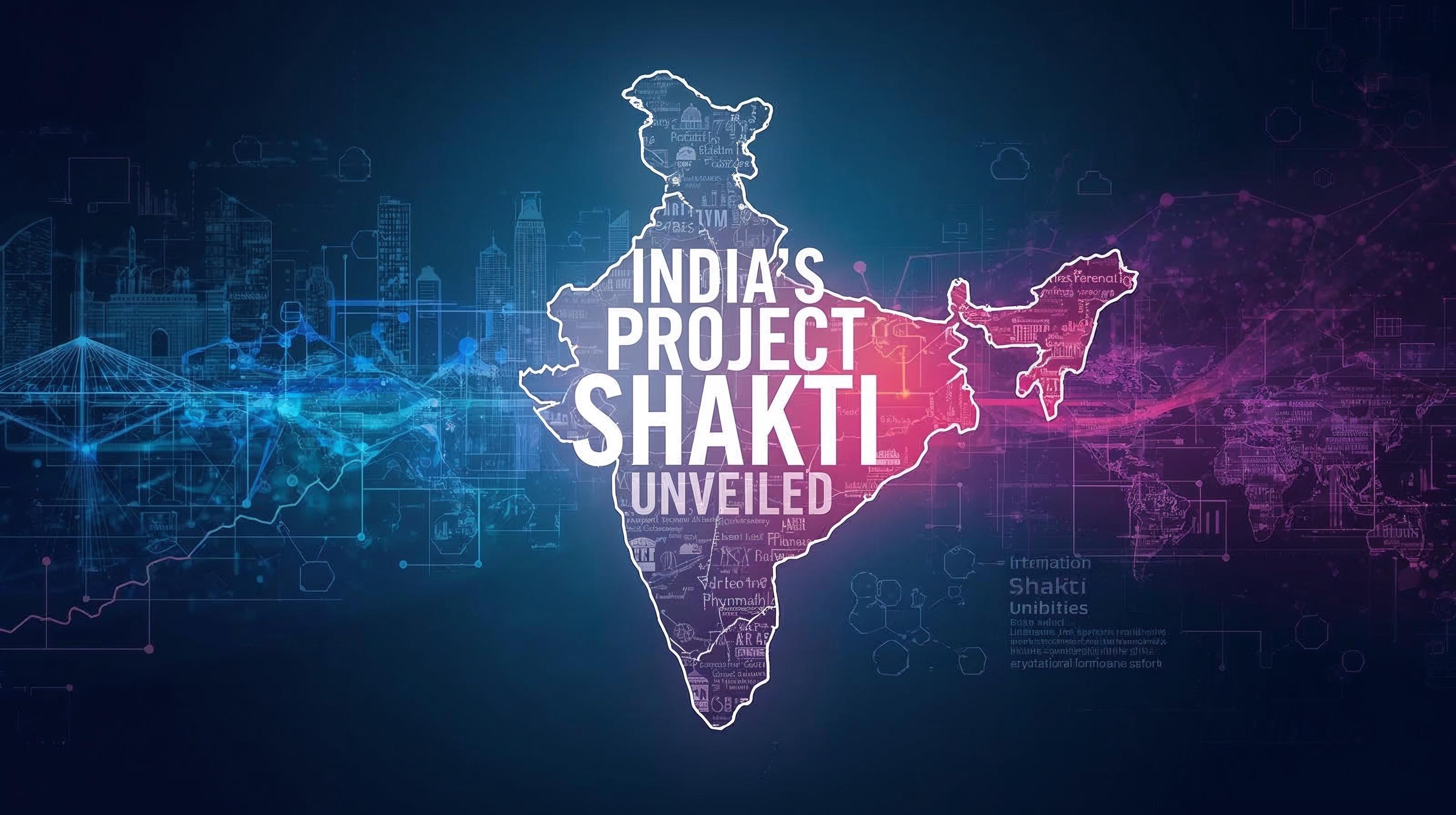
New Delhi — India has announced a major push to become a global biopharma hub. The Union Budget 2026–27 reveals the Biopharma SHAKTI plan backed by an outlay of ₹10,000 crore over five years. The programme aims to strengthen the country’s capacity to develop biologics and biosimilars. It focuses on manufacturing and regulating these products. The programme also aims to reduce import dependence and expand India’s share of the global biopharmaceutical market.
The Biopharma SHAKTI initiative signals a strategic shift in India’s pharmaceutical policy. It moves beyond large-scale generic drug manufacturing and focuses on high-value, innovation-driven biopharmaceutical products. These include vaccines, monoclonal antibodies, gene therapies, and recombinant protein medicines. Government officials say the plan aligns with India’s ambition to capture 5 per cent of the global biopharma market. Demand for biologic therapies rises worldwide due to the growing burden of chronic and non-communicable diseases.
What India’s Biopharma SHAKTI Initiative Proposes
Biopharma SHAKTI is designed to address multiple bottlenecks across the value chain. These include skilled workforce shortages, limited clinical trial capacity, and regulatory complexity. As part of the plan, the government will expand the national biopharma education and research ecosystem. They will establish three new National Institutes of Pharmaceutical Education and Research (NIPERs). Additionally, they will upgrade seven existing institutes. The goal is to produce highly specialised talent in biologics research, manufacturing, and regulation.
The Budget also proposes the creation of a large-scale clinical research ecosystem. This will include more than 1,000 accredited clinical trial sites. These sites will support advanced trials for biologics and biosimilars. This expansion is expected to improve India’s attractiveness as a destination for global clinical research. It will especially benefit research on complex biologic products. These products require long-term follow-up, advanced laboratory infrastructure, and strict ethical oversight.
Regulatory strengthening forms a central pillar of the initiative. The government plans to boost the capacity of the Central Drugs Standard Control Organisation (CDSCO) by recruiting specialised scientific and technical personnel. This will improve the evaluation of complex biologics. Officials say it will help align India’s regulatory timelines with global standards and enable faster, more predictable approvals. This will be done without compromising safety, quality, or efficacy.
Private Sector’s Role in Gavi’s Vision for Global Health Equity
WHO Warns India Over Toxic Cough Syrups After Child Deaths
India’s Biopharma Ecosystem
India’s renewed focus on biopharma builds on the groundwork laid by earlier initiatives. One such initiative is the National Biopharma Mission (NBM), launched in 2017. The mission is co-funded by the World Bank and implemented through the Biotechnology Industry Research Assistance Council (BIRAC). It has supported more than 100 projects and engaged over 150 organisations. Additionally, it has created over 1,000 jobs in biotechnology research and development. It has also played a role in advancing vaccines, improved diagnostics, biosimilars, and medical devices. These advancements target diseases such as cancer, diabetes, dengue, and HPV.
Government-backed innovation programmes have supported indigenous breakthroughs. These include India’s first domestically developed MRI scanner. They also involve locally produced biosimilars that are priced significantly lower than imported alternatives. These efforts have expanded access to advanced diagnostics and therapies while strengthening domestic manufacturing capacity.
In parallel, industrial policy measures support biopharma manufacturing. These schemes include the Production Linked Incentive (PLI) Scheme for Pharmaceuticals. Other schemes are the Strengthening of Pharmaceutical Industry (SPI) Scheme and the Bulk Drug Parks initiative. These policies improve infrastructure. They also reduce dependence on imported active pharmaceutical ingredients. Furthermore, they upgrade facilities to international quality standards.
The biopharma push is further reinforced by newer frameworks. These frameworks include the Promotion of Research and Innovation in Pharma-MedTech (PRIP) scheme. This scheme was launched in 2023 with an outlay of ₹5,000 crore. There is also the BioE3 Policy, approved in 2024, which focuses on biomanufacturing, biofoundries, and sustainable biotechnology applications. Together, these policies aim to link healthcare innovation with broader goals around climate resilience, food security, and economic growth.
Airport Health Screenings Rise Amid Nipah Virus Cases in India
WHO and Novartis Extend Partnership for Leprosy Free Treatment
Can India Become a Global Biopharma Hub?
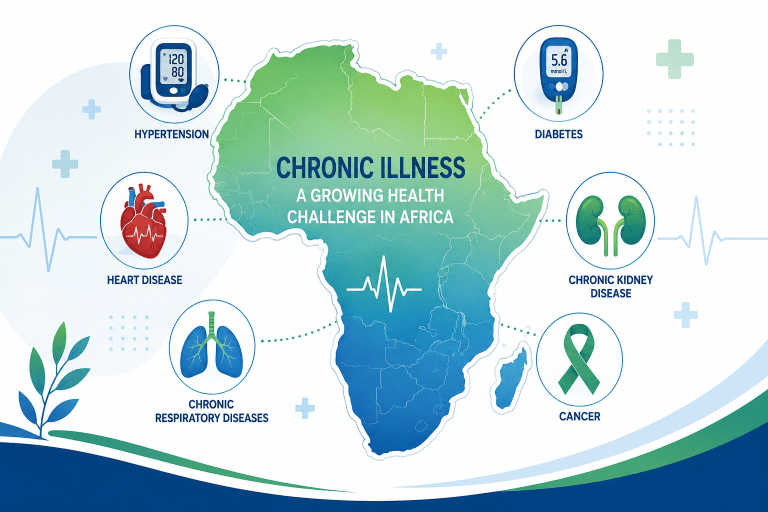
The Biopharma SHAKTI initiative aligns with India’s shifting disease profile. Chronic conditions such as diabetes, cancer, and autoimmune disorders are becoming more prevalent. Therefore, biologic therapies are increasingly essential for these conditions. Strengthening domestic biopharma capacity could improve long-term access to advanced treatments. It could also position India as a key supplier in global health supply chains.
The government says the new initiative is intended to ensure that India’s biopharma sector evolves from scale-driven production. It aims for innovation-led global leadership. This marks one of the most significant pharmaceutical policy shifts in recent years. This change is supported by coordinated investments across research, manufacturing, regulation, and human capital.
About the Author