Photo Credits: @AfricaCDC on X
Africa has officially lifted mpox as a Public Health Emergency of Continental Security (PHECS). This follows recommendations from the Africa CDC Emergency Consultative Group (ECG). It therefore marks a major milestone in the continent’s public health response and emergency preparedness.
The decision shows there have been sustained declines in mpox transmission. According to the Africa CDC, it indicates improved clinical outcomes and strengthened coordination across African Union Member States. However, the disease remains endemic in some settings. Health authorities say the region has transitioned from emergency response to a country-led pathway toward control and eventual elimination.
Why Africa Lifted Mpox Emergency Status
Mpox was declared a continental emergency in August 2024. This marked the first such declaration under Africa CDC’s expanded mandate, following its revised 2022 statutes. The move came amid a sharp escalation of outbreaks across the continent.
In 2024, Africa reported 80,276 suspected mpox cases and 1,340 deaths. Compared to 2023, the number of cases increased by more than 5-fold, while deaths increased by 2-fold. The Democratic Republic of the Congo (DRC) accounted for 96% of reported cases and 97% of deaths.
Decades of underinvestment in surveillance, diagnostics, and access to vaccines have impacted African countries disproportionately. They carry the largest global burden of the disease. Limited access to countermeasures available elsewhere contributed to delayed detection and more severe outbreaks, particularly among vulnerable populations.
“For decades, mpox outbreaks in Africa received limited international attention and insufficient investment to strengthen surveillance, diagnostics, clinical management, and outbreak response capacities.”
– Dr. Jean kaseya
In response, African leaders mobilized rapidly. A High-Level Regional Ministerial Meeting on Mpox held in Kinshasa in April 2024 helped galvanize political commitment and coordinated action. Africa CDC worked alongside the World Health Organization (WHO) through a jointly led Incident Management Support Team (IMST). They adopted a unified response guided by the “4-Ones” principle. This means one team, one plan, one budget, and one monitoring framework.
According to Africa CDC, the response mobilised over US$1 billion in financing. It expanded laboratory and genomic sequencing capacity more than ten times. The initiative strengthened community-based surveillance and supported the deployment of more than 5 million mpox vaccine doses across 16 countries. A continent-wide research agenda involving over 2,000 African and global scientists also helped close critical evidence gaps.
These efforts yielded measurable results. For instance, between early and late 2025, suspected mpox cases declined by 40%. Confirmed cases fell by 60%. The case fatality rate dropped from 2.6% to 0.6%, reflecting improvements in detection, clinical care, and coordination.
What Comes Next
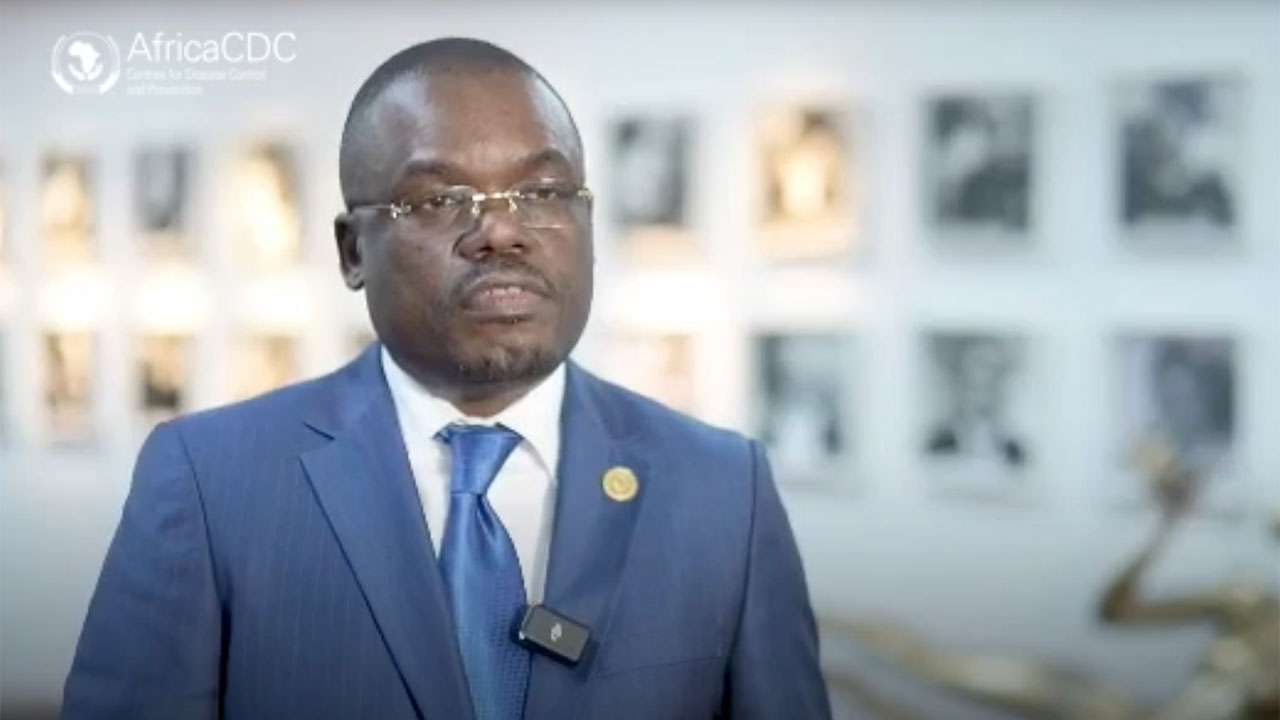
Announcing the decision, Africa CDC Director General Dr Jean Kaseya emphasized that lifting the emergency status does not signal the end of mpox, but rather a strategic shift.
“This transition reflects Africa’s growing capacity to lead complex public health responses through strong leadership, regional solidarity, and effective partnerships”
-Dr. Jean Kaseya
Africa CDC and WHO are now preparing to launch an Mpox Transition Roadmap. It is aimed at sustaining gains made during the emergency phase and strengthening national surveillance and laboratory systems. Advancing research and maintaining vaccination efforts are key components. The roadmap also aligns with Africa’s broader Health Security and Sovereignty agenda, including efforts to scale up local vaccine manufacturing.
The mpox response is expected to inform future continental strategies for other epidemic-prone diseases. This includes cholera, measles, diphtheria, and polio. Africa CDC continues to institutionalize lessons learned under its Pandemic Prevention, Preparedness, and Response framework.
About the Author