Kampala, Uganda | July 22, 2025
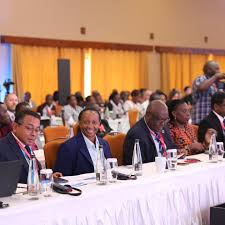
Health experts, government officials, and development partners from across Africa have gathered in Kampala, Uganda, for the continent’s first high-level conference aimed at eliminating mother-to-child transmission (MTCT) of HIV, hepatitis B, and syphilis.
The Triple Elimination Conference, which runs from July 21 to 23, seeks to accelerate collective action toward ending vertical transmission of the three infections by 2030. Organized by Uganda’s Ministry of Health in partnership with the African Union, Africa CDC, WHO, and UNICEF, the event brings together stakeholders from more than 30 African countries.
“We must strengthen health systems by investing in frontline health workers and community-level care,”
“Let us not reverse the gains we have fought so hard to achieve.” -Museveni
Speaking at the opening ceremony, Uganda’s Vice President Jessica Alupo, on behalf of President Yoweri Museveni, emphasized the urgency of the triple burden, noting that all three diseases are preventable with existing interventions.
“As Africa, and as a global community, we must act with unity, innovation, and purpose to advance maternal and child health and eliminate mother-to-child transmission of HIV, syphilis, and hepatitis B” -Museveni
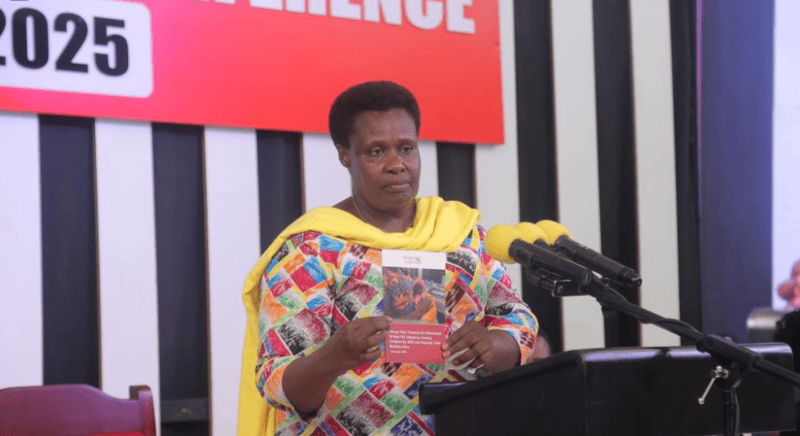
Vice President Uganda, Jessica Alupo speaking on behalf of President Yoweri Museveni
Alarming Figures Prompt Urgent Action
According to the WHO, In 2024, 26.3 million people in Africa lived with HIV, accounting for 65% of global cases. Meanwhile, Africa records over 700,000 congenital syphilis cases annually, with nearly 230,000 associated infant deaths. The continent also bears 63% of new hepatitis B infections globally, largely due to gaps in vaccine access and early diagnosis.
Despite the heavy burden, only a handful of countries, such as Botswana and Namibia, are currently on track to meet WHO targets for eliminating mother-to-child transmission of HIV and syphilis.
Uganda Leads by Example
Uganda is being lauded for its progress in reducing mother-to-child transmission (MTCT). According to Dr. Ruth Aceng, Minister of Health, Uganda, the country has:
- Reduced new child HIV infections from 90,700 in 2010 to 4,700 in 2021
- Increased antenatal syphilis screening from 50% to 94%
- Treated 83% of syphilis-positive pregnant women
- Reached 63% of pregnant women with hepatitis B testing, with 42% of those testing positive receiving treatment
“Integration is the way to go now, especially in this era of unprecedented funding challenges, where we are already seeing a reduction in funding from development partners,” -Aceng
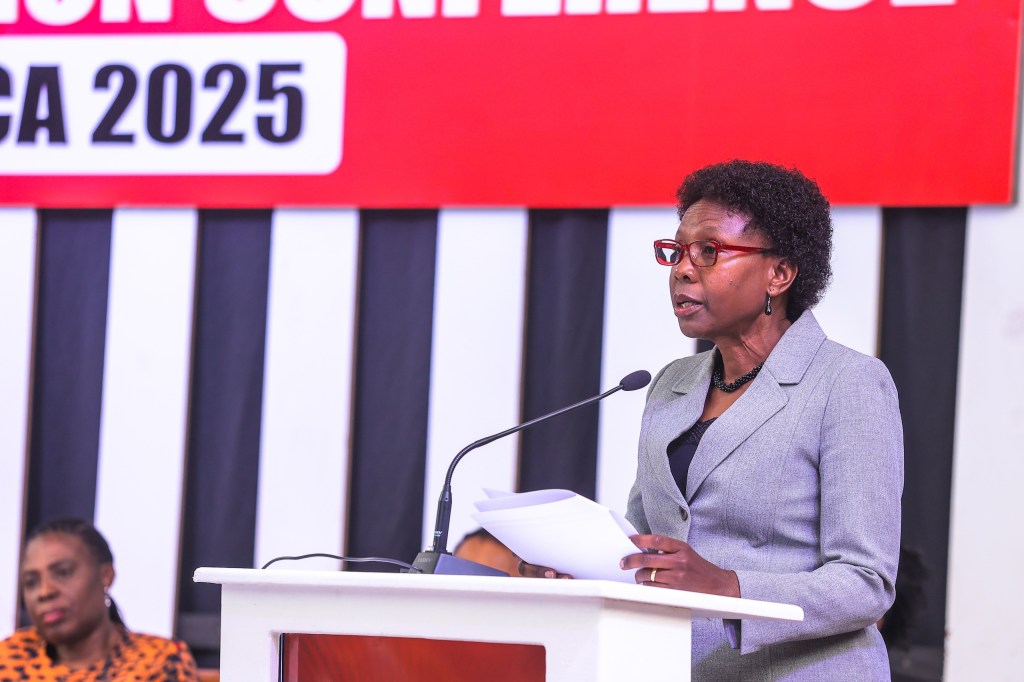
Dr Ruth Aceng, Minister of Health Uganda
Continental and International Collaboration
Conference delegates called for:
- Integration of HIV, hepatitis B, and syphilis services into maternal and child health programs
- Scale-up of point-of-care diagnostics and treatment access
- Strengthening of supply chains and local vaccine manufacturing
- Increased domestic funding and data-driven policymaking
US Ambassador to Uganda, reaffirmed American support through PEPFAR, which has helped treat 1.4 million Ugandans and prevent over 2.8 million babies from acquiring HIV globally.
“This conference gives us an opportunity to build upon past successes—not only in HIV, but in eliminating other diseases like syphilis and hepatitis B,” -William Popp
However, he also offered a cautionary note that with new US policy directions and shifting priorities, African nations must work towards long-term sustainability.
On the other hand, Executive Director of the National Organisation for People Living with Hepatitis B, emphasized the importance of strong domestic leadership in health. He pointed to Uganda’s earlier efforts, particularly the 2015 nationwide hepatitis B screening and vaccination campaigns launched through coordinated efforts between government and civil society.
“We must continue to invest in diagnostics, treatment, and health system strengthening to meet our 2030 goals,” -Kabagambe
Toward Vision 2030
The Triple Elimination Conference aligns with the WHO Global Health Sector Strategy and the AU Agenda 2063. It aims to create actionable roadmaps for countries and establish a unified monitoring framework to track progress toward the 2030 goal.
The outcomes of the Kampala conference are expected to shape regional strategies and inspire similar high-level commitments in other African countries over the coming months.
About the Author