
WHO Guidelines on self-care interventions for Improving Antenatal, Intrapartum, and Postnatal Care
Despite decades of global progress in lowering maternal mortality, an estimated 295,000 women died from pregnancy-related causes in 2017 (WHO, 2019). This ongoing toll emphasizes the importance of improving maternal healthcare, particularly in low- and middle-income countries where access to timely, high-quality services is limited.
The World Health Organization’s guideline on self-care interventions heavily emphasizes Antenatal, Intrapartum, and Postnatal care (ANC, IPC, PNC) as critical periods for implementing self-care measures to improve health outcomes.
Below are recommendations specific toImproving Antenatal, Intrapartum, and Postnatal Care and building resilience in preparation for labour, birth, and the postpartum period.
Recommendation 1: Integrate Health Education into Antenatal Care
- Childbirth training workshops including sessions about childbirth fear and pain, pharmacological and non-pharmacological pain-relief methods, advantages and disadvantages of caesarean sections and vaginal delivery, indications and contraindications of caesarean sections, among others.
- Nurse-led applied relaxation training programme including group discussion of anxiety and stress-related issues in pregnancy and the purpose of applied relaxation, deep breathing techniques, among other relaxation techniques
- Psychosocial couple-based prevention programme including emotional self-management, conflict management, problem-solving, communication, and mutual support strategies that foster positive joint parenting of an infant
- Psychoeducation for women with a fear of pain including stages of labour, hospital routines, birth process, and pain relief among other topics.
Recommendation 2: When considering the educational interventions and support programmes, no specific format is recommended as more effective.
Recommendation 3: Ginger, chamomile, vitamin B6 and/or acupuncture are recommended for the relief of nausea in early pregnancy, based on a woman’s preferences and available options.
Recommendation 4: Advice on diet and lifestyle is recommended to prevent and relieve heartburn in pregnancy. Antacid preparations can be offered to women with troublesome symptoms that are not relieved by lifestyle modification.
Recommendation 5: Magnesium, calcium or non-pharmacological treatment options can be used for the relief of leg cramps in pregnancy, based on a woman’s preferences and available options.
Recommendation 6: Regular exercise throughout pregnancy is recommended to prevent low back and pelvic pain. Various treatment options that can be used include physiotherapy, support belts and acupuncture, based on a woman’s preferences and available options.
Recommendation 7: Wheat bran or other fibre supplements can be used to relieve constipation in pregnancy if the condition fails to respond to dietary modification, based on a woman’s preferences and available options.
Recommendation 8: Non-pharmacological options, such as compression stockings, leg elevation and water immersion, can be used for the management of varicose veins and oedema in pregnancy, based on a woman’s preferences and available options.
Recommendation 9: Pain relief for preventing delay and reducing the use of augmentation in labour is not recommended.
Recommendations On Iron and Folic Acid Supplements
- WHO recommends making the self-management of folic acid supplements available as an additional option to health worker-led provision of folic acid supplements for individuals who are planning pregnancy within the next three months.
- WHO recommends making the self-management of iron and folic acid supplements available as an additional option to health worker-led provision of folic acid supplements for individuals during pregnancy.
- WHO recommends making the self-management of iron and folic acid supplements available as an additional option to health worker-led provision of iron and folic acid supplements for individuals during the postnatal period.
(Strong recommendation; very low certainty evidence)
Recommendations on Self Monotoring
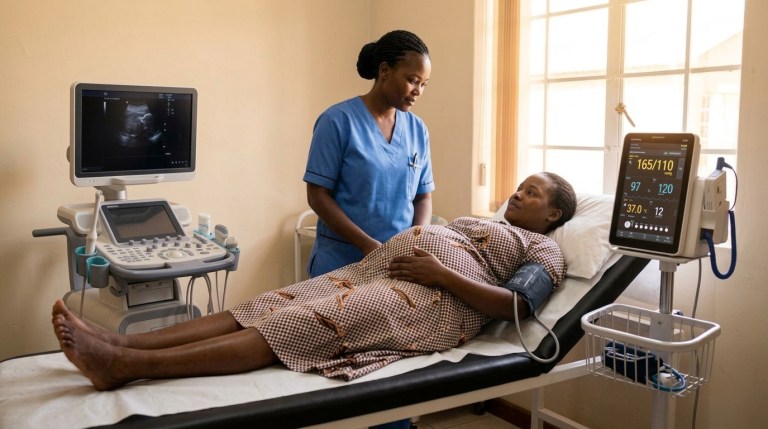
Recommendation 11: WHO suggests making the self-monitoring of blood pressure during pregnancy available as an additional option to clinic blood pressure monitoring by health workers during antenatal contacts only, for individuals with hypertensive disorders of pregnancy.
Recommendation 12: WHO recommends making self-monitoring of glucose during pregnancy available as an additional option to clinic blood glucose monitoring by health workers during antenatal contacts, for individuals diagnosed with gestational diabetes.
Recommendation 13: Each pregnant woman should carry their case notes during pregnancy to improve the continuity and quality of care and their pregnancy experience.
These recommendations emphasize the importance of self-care and supportive interventions in enhancing maternal health outcomes. From nausea and pain management to preventing needless cesarean births, evidence-based solutions can help women navigate pregnancy with knowledge, confidence, and comfort. According to WHO guidelines, interventions, whether educational, psychosocial, or physical, must be context-specific, person-centered, and responsive to individual preferences. This strategy not only improves antenatal care quality, but it also reinforces the underlying purpose of providing respectful maternity services and universal health coverage.
About the Author






1 thought on “Self Care Tips for Pregnancy and Postpartum Wellness”