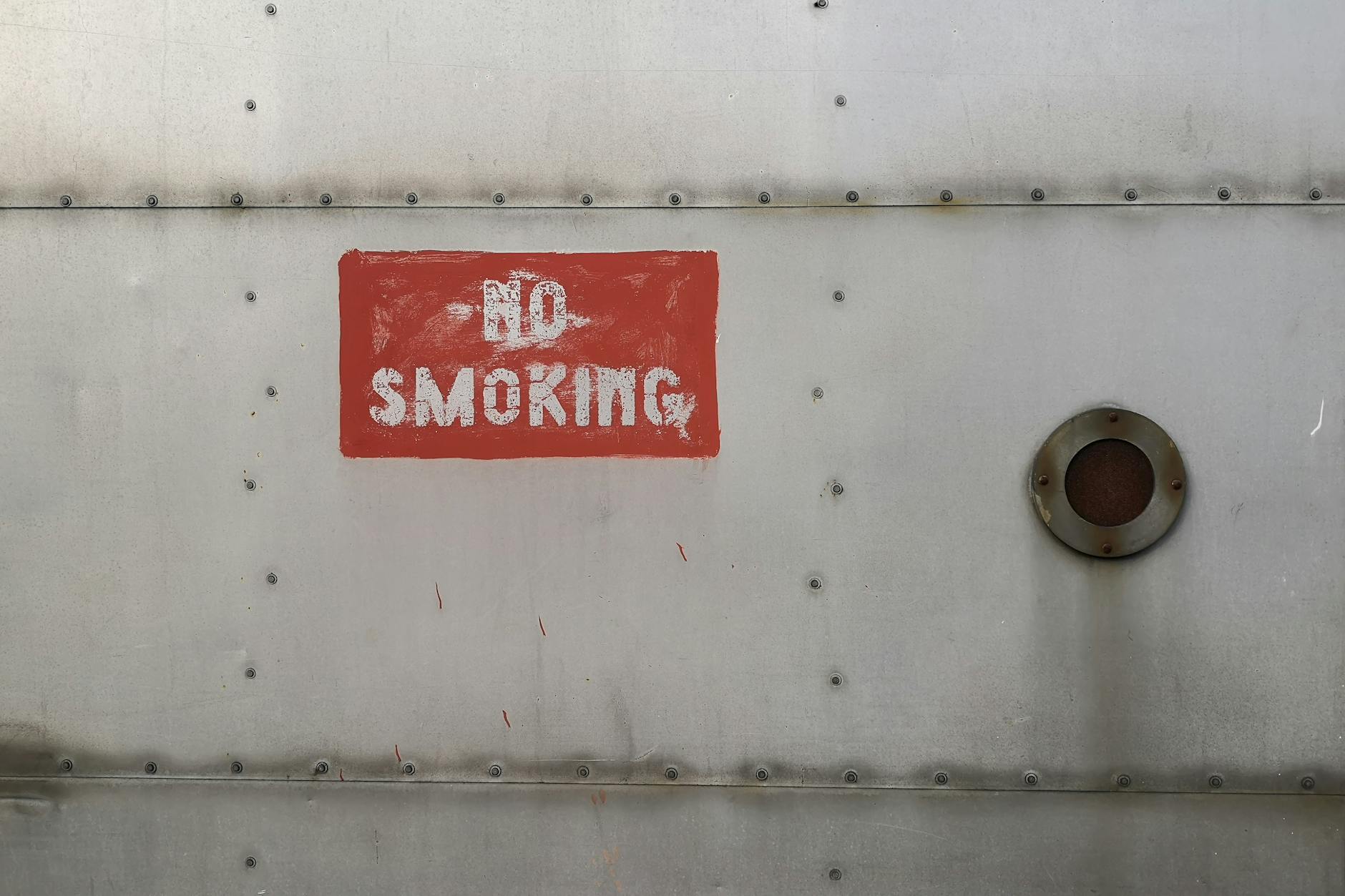
Photo by Ann H on <a href="https://www.pexels.com/photo/no-smoking-sign-3095752/" rel="nofollow">Pexels.com</a>
The World Health Organization (WHO) has released the tenth edition of its Global Tobacco Epidemic Report. They announced it at the 2025 World Conference on Tobacco Control. This event marks 20 years since the WHO Framework Convention on Tobacco Control (WHO FCTC) came into force. The report, titled Warning About the Dangers of Tobacco, celebrates major strides in global tobacco control. It emphasizes the urgent need to sustain and accelerate progress. This is crucial in the face of evolving industry tactics and emerging nicotine products.
6.1 Billion People Now Covered by MPOWER Measures
The MPOWER technical package contains six evidence-based strategies. These strategies are designed to reduce tobacco use. It is at the heart of global tobacco control. These include:
- Monitoring tobacco use and prevention policies;
- Protecting people from tobacco smoke with smoke-free air legislation;
- Offering help to quit tobacco use;
- Warning about the dangers of tobacco with pack labels and mass media;
- Enforcing bans on tobacco advertising, promotion and sponsorship; and
- Raising taxes on tobacco.
The number of countries implementing at least one MPOWER measure at the highest level has grown significantly since its launch in 2007. It increased from 44 countries to 155. Today, 6.1 billion people are covered by at least one MPOWER intervention. This represents over 75% of the global population, up from 1 billion in 2007.
Focus on Graphic Health Warnings
This year’s report places a special focus on the “W” component. It warns about the dangers of tobacco. This warning is particularly conveyed through graphic health warnings and mass media campaigns.
By the end of 2024:
- 110 countries had implemented graphic health warnings on tobacco packaging. These warnings cover 5 billion people, which represents 62% of the global population. This shows a tremendous increase from just 9 countries in 2007.
- 25 countries had adopted plain packaging laws, with additional nations in the process of finalizing implementation frameworks.
Graphic warnings are proven to reduce tobacco appeal, improve cessation outcomes, and deter youth initiation. However, implementation is inconsistent for smokeless tobacco, with only 54 out of 119 countries including pictorial elements on these products.
Mass Media Campaigns Lag Behind
Despite their cost-effectiveness, mass media campaigns have seen little progress. Only 37 countries ran national anti-tobacco campaigns that met WHO best-practice standards between 2023 and 2024. While 85 countries reported running campaigns, most lacked critical elements like audience pre-testing or post-campaign evaluation.
This gap in public communication leaves millions uninformed about the risks of tobacco and undermines broader policy efforts. Notably, only nine countries have consistently run mass media campaigns every biennium since 2010.
Uneven Progress Across MPOWER Components
While graphic warnings and smoke-free environments have gained traction, other MPOWER measures have advanced more slowly:
- Cessation Services: Only 31 countries offer cessation support at best-practice level, covering one-third of the world’s population.
- Advertising Bans: Just 68 countries, covering 2 billion people, have comprehensive bans. High-income countries notably lag in this area.
- Tobacco Taxation: The most effective tool remains the least implemented. Only 15% of the global population is covered by best-practice taxation policies, with just three countries improving their tax levels since 2022.
Two Billion Remain Unprotected
Despite the overall progress, 40 countries have not adopted a single MPOWER measure at the best-practice level. This leaves two billion people, mostly in low- and middle-income regions, vulnerable to tobacco-related harm. However, 28 of these countries are just one step away from reaching their first best-practice measure.
Rise of Emerging Nicotine Products
A growing concern is the rapid proliferation of electronic nicotine delivery systems (ENDS) and heated tobacco products (HTPs). As of 2024:
- 133 countries regulate ENDS, up from 122 in 2022.
- 42 countries ban their sale outright, while 91 apply partial regulations.
- 62 countries still have no regulations in place, leaving 1.7 billion people exposed to largely unregulated products.
WHO warns that ENDS are being aggressively marketed to youth using flavors and sleek packaging. Only seven countries have banned all flavors, and just 15 have limited them. Alarmingly, 74 countries lack a minimum purchase age for ENDS, highlighting an urgent need for protective legislation.
Tobacco Industry Interference Remains a Major Obstacle
The WHO report underscores how the tobacco industry continues to interfere with policy-making, particularly in emerging markets. WHO urges all governments to strengthen enforcement of Article 5.3 of the WHO FCTC, which shields public health policies from commercial and vested interests of the industry.
Looking Forward To A Tobacco-Free Generation?
As the WHO FCTC marks its 20th anniversary, Director-General Dr. Tedros Adhanom Ghebreyesus emphasized the stakes:
“By uniting science, policy and political will, we can create a world where tobacco no longer claims lives, damages economies, or steals futures.”
The 2025 report is not only a progress check but a call to action. Therefore, governments should accelerate full implementation of the MPOWER package, invest in communication, protect youth from ENDS, and defend against industry interference.
In conclusion,the world has made historic progress in tobacco control, but the job is far from done. Comprehensive, evidence-based policies have saved millions of lives, yet billions remain at risk. As new products emerge and industry tactics evolve, global resolve must be stronger than ever to deliver on the promise of a tobacco-free future.
About the Author