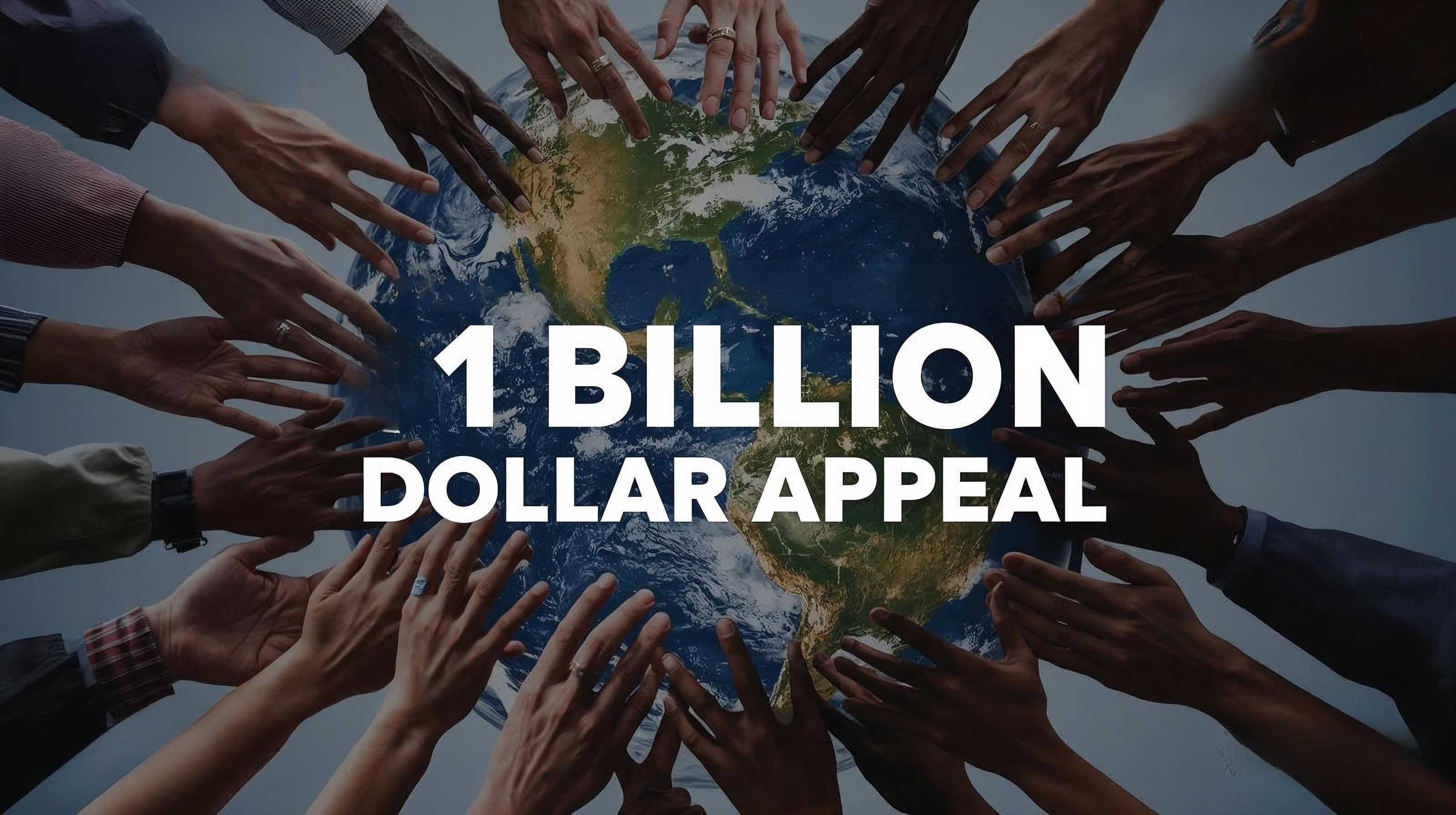
3 February 2026 — The World Health Organization (WHO) has launched a US$1 billion appeal for global health emergencies and crises. It is seeking the funding to provide life-saving health services that will aid millions of people affected by conflicts, disasters, and disease outbreaks across the world.
The appeal aims to support responses in 36 health emergencies, including 14 Grade 3 emergencies, which is the highest level of organizational response. These emergencies span both sudden-onset and protracted humanitarian crises. WHO warns that escalating conflicts, climate-related disasters, and infectious disease outbreaks are causing unprecedented health needs. At the same time, global humanitarian financing continues to decline.
Health Impact of WHO’s Emergency Response
In 2025, WHO and its partners reached 30 million people through funding mobilized under its annual emergency appeal. These resources enabled the delivery of life-saving vaccinations to 5.3 million children. They also facilitated 53 million health consultations and supported more than 8,000 health facilities. Additionally, it allowed for the deployment of 1,370 mobile clinics in fragile and crisis-affected settings.
Despite these achievements, the WHO reports that shrinking humanitarian funding significantly constrained response efforts. In 2025, funding levels fell below those of 2016. As a result, WHO and partners could only reach one-third of the 81 million people initially targeted for humanitarian health assistance.
“This appeal urges support for people living through conflict. It also calls for support for those experiencing displacement and disaster,” said Dr Tedros Adhanom Ghebreyesus, WHO Director-General. “It is not charity. It is a strategic investment in health and security.”
Priority Emergencies and Global Coordination
WHO’s priority response areas in 2026 include Afghanistan and the Democratic Republic of the Congo. Haiti, Myanmar, and the occupied Palestinian territory are also included. Additionally, Somalia, South Sudan, and Sudan are priorities. The Syrian Arab Republic, Ukraine, and Yemen are also among these key areas. They are also focusing on the ongoing outbreaks of cholera and mpox.
As the global lead for health in humanitarian settings, WHO coordinates more than 1,500 partners across 24 crisis contexts. It works closely with national authorities and local organizations to ensure the continuity of essential health services.
Ambassador Noel White, Ireland’s Permanent Representative to the UN in Geneva, spoke at the launch and emphasised the importance of flexible funding. Norway’s Deputy Permanent Representative, Marita Sørheim-Rensvik highlighted WHO’s role. She discussed safeguarding access to sexual and reproductive health services. She also supported frontline health workers in high-risk environments.
WHO Warns India Over Toxic Cough Syrups After Child Deaths
WHO’s Updated Guidelines on HIV Management
Core Emergency Health Interventions
WHO and its partners will prioritize:
- Keeping essential health facilities operational
- Delivering emergency medical supplies and trauma care
- Preventing and responding to disease outbreaks
- Restoring routine immunization services
- Ensuring access to sexual, reproductive, maternal, and child health care
WHO stresses that early and predictable investment is essential. This approach is critical to containing outbreaks and preventing excess deaths. It also helps avoid broader humanitarian and health security crises. Therefore, with adequate funding, the organization says it can sustain life-saving care in the world’s most severe emergencies. It can also support recovery and build resilience.
About the Author