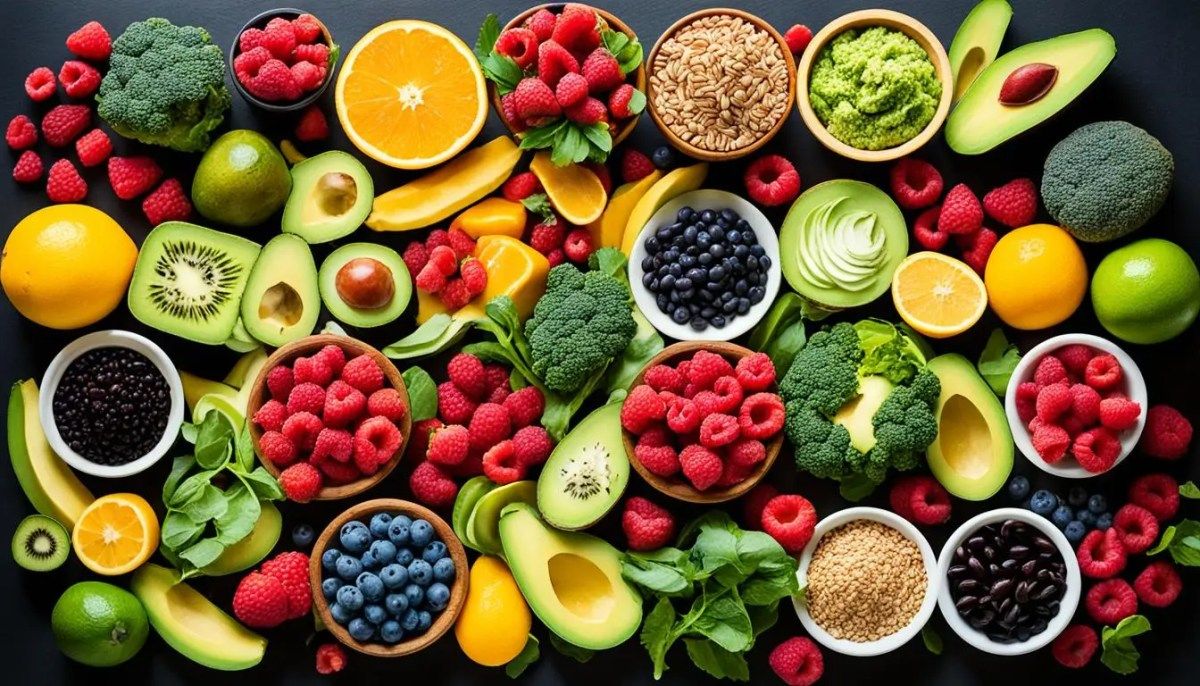
A variety of fiber-rich foods, including fruits, vegetables, whole grains, legumes, and seeds.
Adequate dietary fiber intake is essential for maintaining overall health. Despite its benefits, most adults consume less fiber than recommended, which can affect digestive function, blood cholesterol levels, and long-term disease risk. Including fiber-rich foods in daily meals is a practical and evidence-based approach to supporting gut health, cardiovascular function, and metabolic regulation.
Understanding Dietary Fiber
Dietary fiber is the part of plant-based foods that the human body cannot digest. Unlike other nutrients, fiber passes through the stomach and intestines largely intact, contributing to stool bulk and promoting regular bowel movements. There are two primary types of dietary fiber:
Soluble fiber dissolves in water and forms a gel-like substance in the gut. This type of fiber helps lower blood cholesterol and regulates blood sugar levels. Foods high in soluble fiber include oats, barley, beans, lentils, apples, and citrus fruits.
Insoluble fiber does not dissolve in water and adds bulk to stool, helping prevent constipation and supporting regular bowel function. Common sources include whole grains, nuts, seeds, and vegetables such as carrots, green beans, and leafy greens.

Both soluble and insoluble fiber are important for health. In addition to supporting digestion, fiber promotes the growth of beneficial gut bacteria, which support immune function, help control inflammation, and produce short-chain fatty acids that are beneficial for colon health.
Practical Strategies for Increasing Fiber Intake
Increasing dietary fiber intake does not require extreme changes to diet. Practical, sustainable strategies include:
- Incorporate high-fiber foods at every meal: Add beans or lentils to soups, salads, or main dishes. Include vegetables with lunch and dinner.
- Choose whole grains over refined grains: Replace white rice, bread, and pasta with whole-grain options. Examples include whole-wheat bread, brown rice, quinoa, and oats.
- Add fruits as snacks: Fresh fruits or unsweetened dried fruits are easy ways to increase fiber intake. Apples, pears, berries, and oranges are particularly high in fiber.
- Include seeds and nuts: Chia seeds, flaxseeds, almonds, and walnuts provide fiber along with healthy fats.
- Increase fiber gradually: Sudden increases can cause bloating or gas. Introduce high-fiber foods over one to two weeks to allow the digestive system to adjust.
- Maintain adequate hydration: Fiber absorbs water, which helps it move through the digestive tract. Adults should aim for 1.5–2 liters of water per day, unless advised otherwise by a healthcare professional.
- Read nutrition labels: Many packaged foods now indicate fiber content. Choosing products with higher fiber content can support daily goals.
Health Benefits Supported by Evidence
The Centers for Disease Control and Prevention (CDC) recommends that adults consume 25–30 grams of fiber daily from food sources. Scientific studies indicate multiple health benefits of consistent fiber intake:
Cardiovascular health: Soluble fiber binds to cholesterol in the digestive system, helping to reduce low-density lipoprotein (LDL) cholesterol, also known as “bad” cholesterol. A meta-analysis in The Lancet reported that higher dietary fiber intake is associated with a 15–30% lower risk of heart disease (Reynolds et al., 2019).
Blood sugar regulation: Soluble fiber slows the digestion and absorption of sugar, which can help prevent rapid spikes in blood glucose. This effect is particularly beneficial for adults at risk of type 2 diabetes (Slavin, 2013).
Digestive health: Insoluble fiber adds bulk to stool, supporting regular bowel movements and reducing the risk of constipation. Fiber also contributes to colon health by promoting beneficial gut bacteria that produce short-chain fatty acids, which have anti-inflammatory effects according to findings from the British National Health Service (NHS) in 2022.
Weight management: High-fiber foods generally take longer to chew and digest, increasing satiety and helping regulate appetite. Diets rich in fiber are associated with lower body weight and reduced risk of obesity-related diseases.
Reduced risk of certain cancers: Consistent fiber intake, particularly from whole grains and vegetables, is linked to a lower risk of colorectal cancer. This effect is thought to result from improved bowel function, dilution of potential carcinogens, and positive gut microbiome effects.
Implementation Tips for Busy Adults
For adults with busy schedules, increasing fiber can be integrated without major disruptions:
- Prepare large batches of beans or lentils at the start of the week for easy use in meals.
- Keep pre-cut vegetables and fruits accessible for quick snacks.
- Swap refined breakfast cereals for oatmeal or whole-grain muesli.
- Sprinkle chia or flax seeds on yogurt or salads.
- Gradually replace low-fiber snacks, such as chips or pastries, with nuts, popcorn, or fruit.
These small, incremental adjustments allow for sustainable increases in fiber intake without significant dietary stress.
Dietary fiber is a key component of a balanced diet with proven benefits for digestive health, blood sugar control, and cardiovascular risk reduction. Adults should aim to consume a variety of fiber sources daily and increase intake gradually while maintaining adequate hydration. Consistent, evidence-based dietary changes can improve long-term health outcomes and support overall wellness.
References
Centers for Disease Control and Prevention (CDC). Dietary Fiber. Updated 2024. https://www.cdc.gov/diabetes/healthy-eating/fiber-helps-diabetes.html
Slavin, J. L. (2013). Fiber and Prebiotics: Mechanisms and Health Benefits. Nutrients, 5(4), 1417–1435. https://pubmed.ncbi.nlm.nih.gov/23609775/
Reynolds, A., Mann, J., Cummings, J., Winter, N., Mete, E., & Te Morenga, L. (2019). Carbohydrate quality and human health: a series of systematic reviews and meta-analyses. The Lancet, 393(10170), 434–445. https://pubmed.ncbi.nlm.nih.gov/30638909/
National Health Service (NHS). Fiber. Updated 2022. https://www.nhs.uk/live-well/eat-well/how-to-get-more-fibre-into-your-diet/
About the Author