
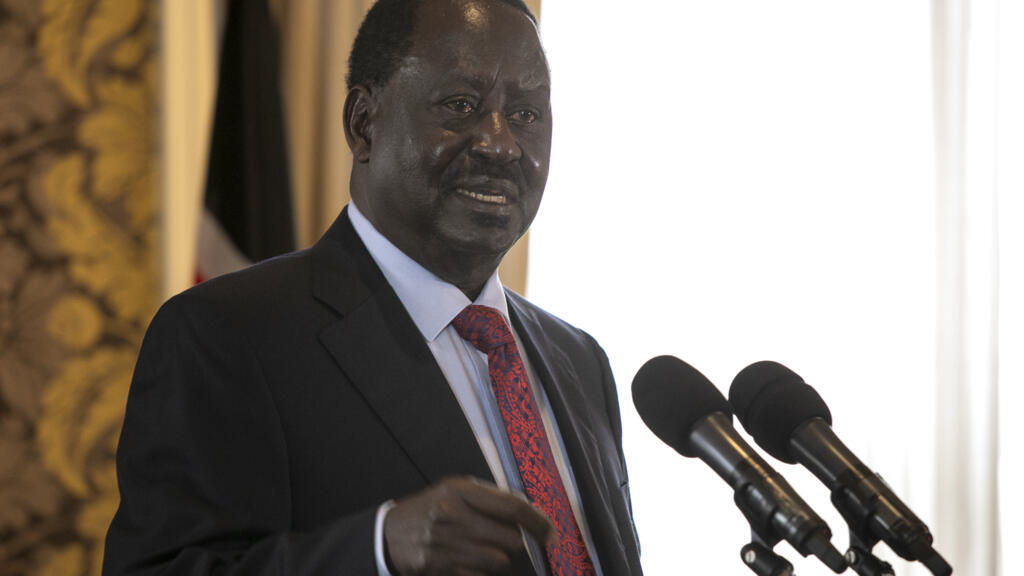
Kenya and the world are mourning the passing of Raila Amolo Odinga, the country’s former Prime Minister and one of Africa’s most influential political figures. Odinga, aged 80, reportedly died in Kerala, India, where he had been receiving Ayurvedic treatment. According to initial reports, the veteran statesman suffered a cardiac arrest early Wednesday morning and was pronounced dead at Devamatha Hospital despite prolonged resuscitation efforts.
The Indian Ministry of AYUSH confirmed that Odinga had been undergoing a specialized Ayurvedic therapy program designed to support cardiovascular health and stress management. Hospital sources reported that he had collapsed during a morning walk on the hospital’s premises, after which immediate medical intervention was provided.
A post-mortem examination is expected to confirm the precise cause of death, but preliminary findings point to sudden cardiac arrest, a condition in which the heart abruptly stops beating due to electrical malfunction, cutting off blood flow to the brain and other vital organs.
“He collapsed during a morning walk within the premises of Ayuverdic facility and was rushed to a private hospital” – Spokesperson of the eye hospital to PTI News Agency
Cardiac Arrest Explained
Cardiac arrest is not the same as a heart attack. While a heart attack is caused by blocked arteries that restrict blood flow to the heart, cardiac arrest is an electrical problem that disrupts the heart’s rhythm, often triggered by underlying heart disease, electrolyte imbalances, or stress.
According to the World Health Organization (WHO), sudden cardiac arrest accounts for over 7 million deaths globally each year, and timely defibrillation or CPR can significantly improve survival chances.
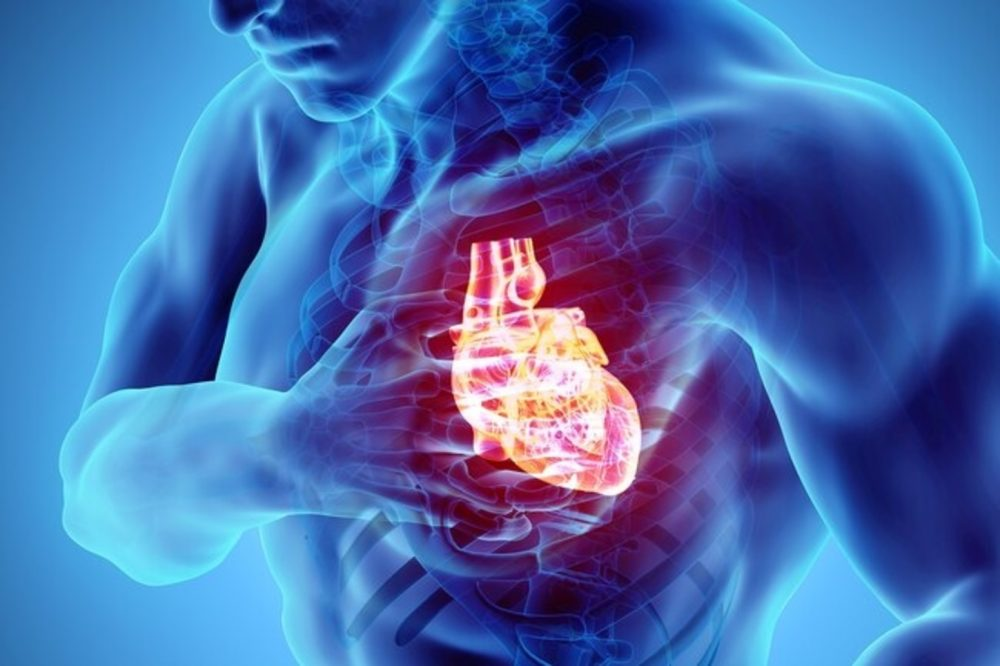
Lifestyle factors such as hypertension, diabetes, and stress can increase risk, especially among older adults. Odinga, who had been active in politics for decades, reportedly sought alternative therapies to manage chronic fatigue and circulatory strain, a common decision among senior leaders seeking holistic care abroad.
The Promise and Questions of Ayurveda
Ayurveda, often described as “the science of life,” is an ancient Indian medical system emphasizing balance between the body, mind, and spirit. Its therapies combine herbal medicines, diet regulation, detoxification, yoga, and meditation. In Kerala, where Odinga was receiving treatment, Ayurveda is both a medical practice and a cultural heritage, attracting thousands of international patients each year.
Scientific studies have shown mixed results. Some herbs used in Ayurveda, such as Ashwagandha (Withania somnifera), show evidence of reducing stress and improving heart function. Turmeric (Curcuma longa), rich in curcumin, is recognized for its anti-inflammatory effects that may benefit cardiovascular health.
However, researchers also caution that not all Ayurvedic treatments are standardized, and some herbal preparations have been found to contain heavy metals or interact adversely with prescribed medications.

Indian Prime Minister
The U.S. National Center for Complementary and Integrative Health (NCCIH) advises that while Ayurveda can complement conventional care, it should not replace scientifically validated medical treatments. The challenge remains integrating traditional systems like Ayurveda into modern healthcare in ways that are both safe and evidence-based.
Raila Odinga’s Vision for Health in Kenya
Beyond his political prominence, Raila Odinga was a staunch advocate for health equity and social protection. During his tenure as Prime Minister and throughout his campaigns, he repeatedly underscored healthcare as a fundamental right.
His “Babacare” initiative, articulated under the Azimio la Umoja coalition, proposed free and universal primary healthcare for all Kenyans “at the point of delivery.” The plan emphasized preventive health, early diagnosis, and strong community-based interventions.
Credits: Citizen digital
Odinga championed the role of Community Health Workers (CHWs) as the backbone of Kenya’s public health system, recognizing their role in disease surveillance, maternal health, and rural service delivery.
He also pushed for universal health coverage (UHC) through restructured healthcare financing that reduces out-of-pocket expenses and shields citizens from medical impoverishment. His blueprint included:
- Establishing an Emergency Medical Services Fund for immediate response to accidents and sudden illness.
- Expanding access to essential drugs and reducing dependence on imports through local pharmaceutical manufacturing.
- Improving remuneration and working conditions for healthcare workers.
- Strengthening transparency and governance to curb corruption in drug procurement and service delivery.
Even while in opposition, Odinga remained a vocal critic of inefficiencies in Kenya’s health system. In 2025, he challenged the rollout of the Social Health Authority (SHA), saying many Kenyans still struggled to access basic services despite promises of reform. His advocacy often linked health with governance, arguing that a healthy nation cannot exist without accountable leadership.
A Legacy That Transcends Politics
Raila Odinga’s death has sparked reflection not only on his remarkable political journey but also on broader questions about how leaders approach healthcare, personally and nationally. His choice to seek Ayurvedic treatment underscores a growing trend of Africans pursuing integrative or alternative care abroad, highlighting the need for robust regulation and evidence-based practice within both traditional and modern medicine.
As tributes continue to pour in, Kenyans remember Odinga as a champion of justice, social welfare, and people-centered governance. His long-standing advocacy for accessible healthcare leaves behind an enduring message: that the health of a nation lies not only in its hospitals but in the dignity and protection of its people.
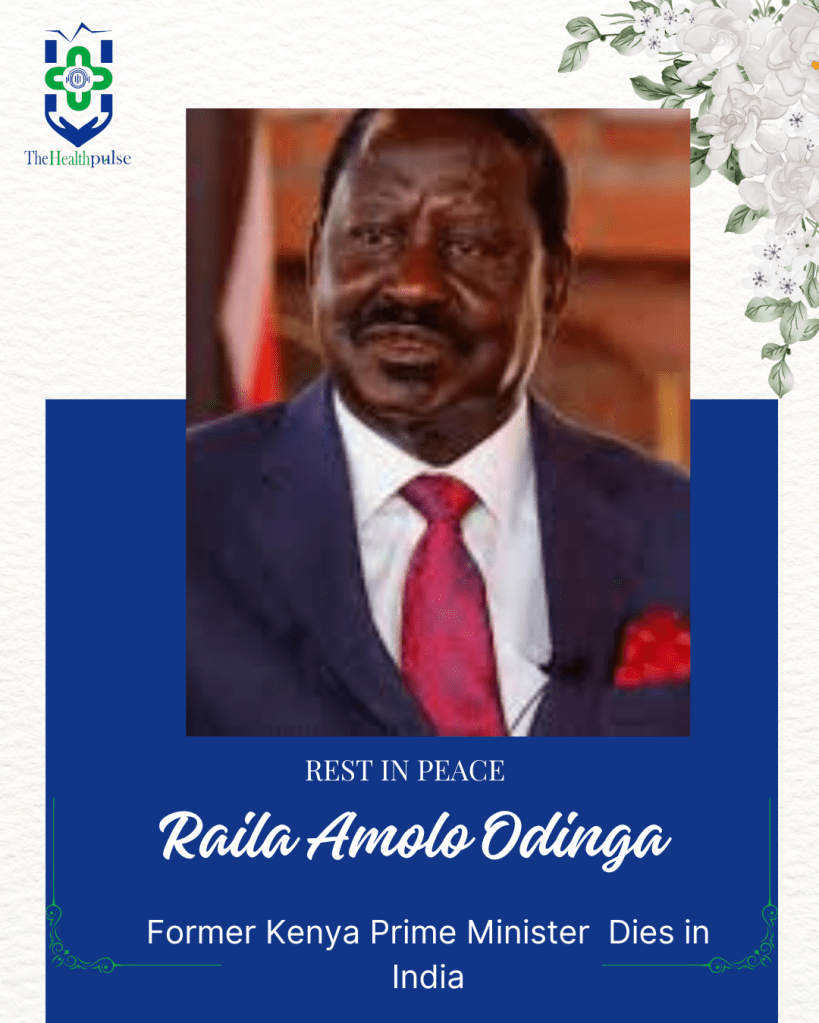
The Health Pulse Kenya extends its deepest condolences to the Odinga family, friends, and supporters. May his vision for a just and healthy Kenya continue to inspire generations to come.

Leave a comment