
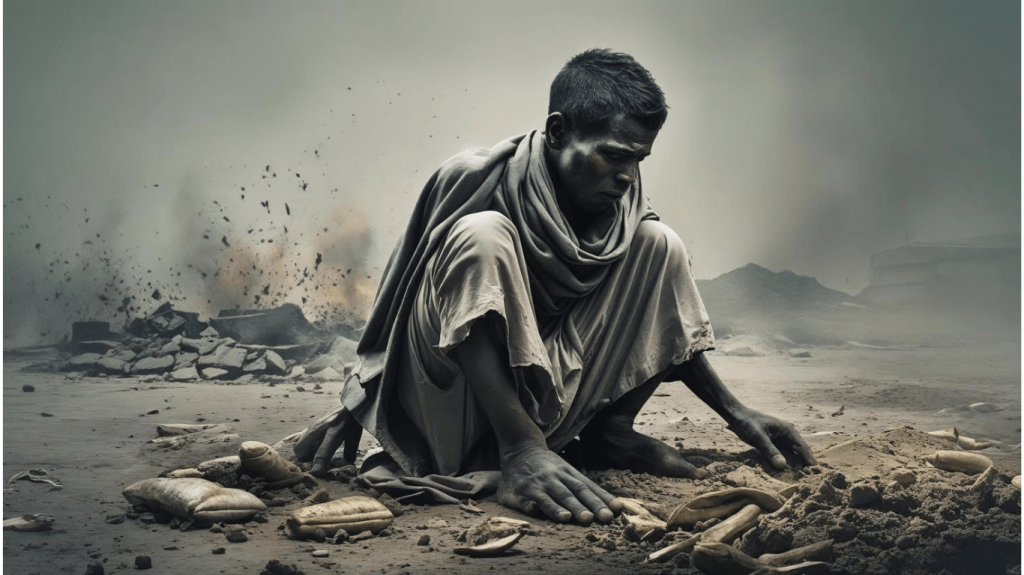
On 27 July 2025 — The World Health Organization (WHO) has issued a dire warning about rapidly escalating malnutrition and hunger in the Gaza Strip. The humanitarian crisis has reached life-threatening proportions. A sharp rise in malnutrition-related deaths, particularly in July, underscores the deadly consequences of blocked aid and crumbling health services in the embattled enclave.
In its latest emergency update, WHO reports 63 of the 74 malnutrition-related deaths in 2025 occurred in July alone, including 24 children under five, one child over five, and 38 adults. Most of the victims died before reaching healthcare facilities or shortly after arrival, exhibiting severe signs of wasting, the most extreme form of malnutrition.
WHO stated that the catastrophe is preventable, pointing to the deliberate obstruction and delays in the delivery of humanitarian assistance as a major contributor to the unfolding crisis.
“This crisis remains entirely preventable,” -WHO
One in Five Children in Gaza City Acutely Malnourished
According to Nutrition Cluster partners, nearly 20% of children under five in Gaza City are now suffering from Global Acute Malnutrition (GAM) — a threefold increase since June. The situation is equally bleak in Khan Younis and the Middle Area, where malnutrition rates among young children have doubled in less than one month.
“Nearly one in five children under five in Gaza City is now acutely malnourished,” -WHO
Due to restricted access and security threats, these figures are likely an underestimation, with many families unable to reach health centers for screenings or treatment.
In the first two weeks of July alone, over 5,000 children under five were treated for acute malnutrition. 18% of them were diagnosed with Severe Acute Malnutrition (SAM), the most life-threatening form. This follows a worsening trend since May and a record 6,500 children treated in June, the highest monthly figure since the escalation of conflict in October 2023.
Health Facilities Near Collapse
The spike in child malnutrition cases is overwhelming Gaza’s limited health infrastructure. Only four specialized centers remain operational to treat malnourished children, and they are now operating well beyond capacity. In July, 73 children with SAM and medical complications were hospitalized, compared to 39 in June, bringing total inpatient admissions in 2025 to 263.
These facilities are running critically low on fuel and therapeutic food supplies, which are expected to run out by mid-August. Health workers are stretched thin, operating in deteriorating conditions as water and sanitation systems collapse, fueling the spread of disease and further exacerbating malnutrition.
Pregnant and Breastfeeding Women
The crisis is also devastating for pregnant and breastfeeding women. Recent screening data reveals that over 40% of these women are now severely malnourished. The most alarming trends are reported in the Middle Area, where rates tripled in a single month, and in Gaza City and Khan Younis, where they doubled.
Such levels of malnutrition among mothers threaten not only their own health but also that of unborn and newborn children, increasing risks of low birth weight, stunting, and early death.
Hunger Kills
Adding to the tragedy, WHO reports that over 1,060 people have died and 7,200 have been injured since 27 May while attempting to access food. Desperate families are being forced into dangerous, chaotic conditions, just to secure basic sustenance.
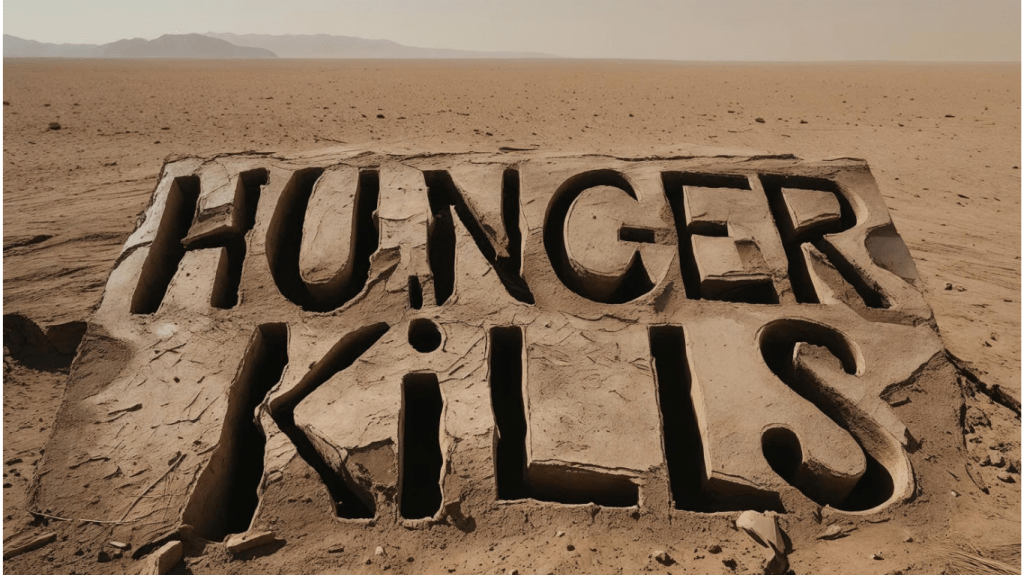
“It is not only hunger that is killing people, but also the desperate search for food,” -WHO.
WHO’s Urgent Appeal
In light of the escalating crisis, WHO is calling for immediate and sustained humanitarian access to Gaza. The organization urges the international community to:
- Flood Gaza with diverse, nutritious food, especially for children, and vulnerable groups
- Ensure the steady, unhindered delivery of therapeutic supplies, including specialized nutrition products and essential medicines;
- Support and protect overstretched health workers and facilities;
- Guarantee the safety of civilians, health workers, and humanitarian staff;
- Release all hostages, including WHO’s detained colleague;
- Establish an immediate ceasefire to halt the loss of life and allow for recovery.
” WHO also calls for the release of our detained colleague, the release of hostages, and for an immediate ceasefire.” -WHO

Leave a comment