
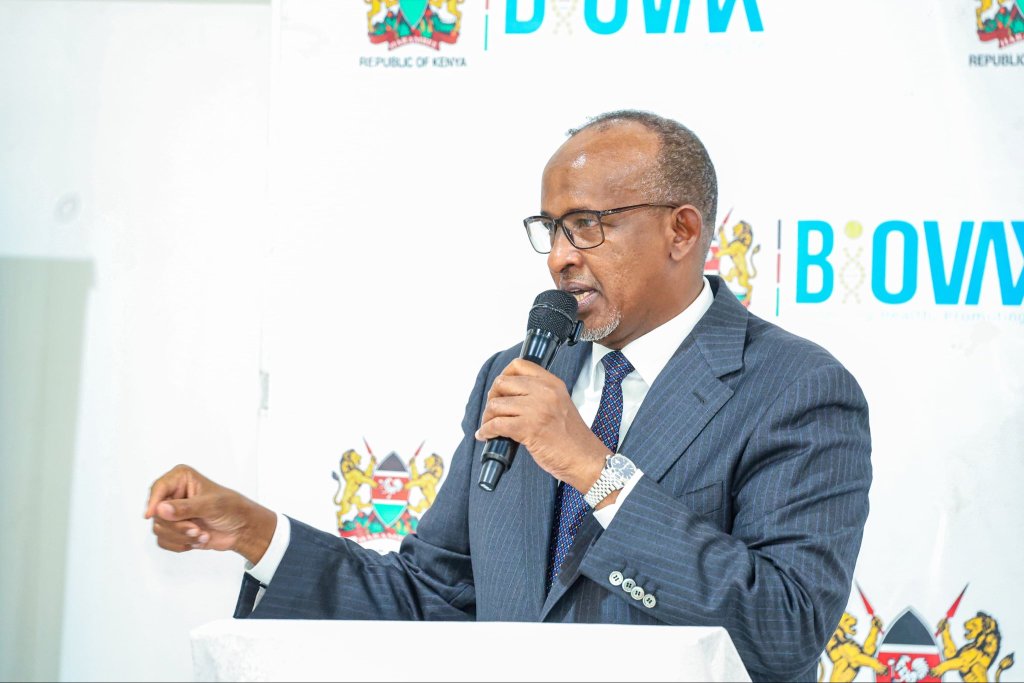
The Health Cabinet Secretary Aden Duale has reaffirmed the Kenyan government’s commitment to local vaccine manufacturing. He described it as a critical pillar for achieving Universal Health Coverage (UHC). It also strengthens national health security.
The remarks were made during a high-level strategic engagement with the Board and Senior Management of the Kenya BioVax Institute. Discussions focused on scaling domestic production of vaccines. They also addressed other essential health products.
Advancing Local Vaccine Production Capacity
The Kenyan Ministry of Health (MOH Kenya) reported that the engagement centred on the Institute’s mandate to manufacture and commercialise safe, high-quality, and effective human vaccines. It also focused on other critical health technologies necessary for disease prevention, outbreak response, and routine immunisation.
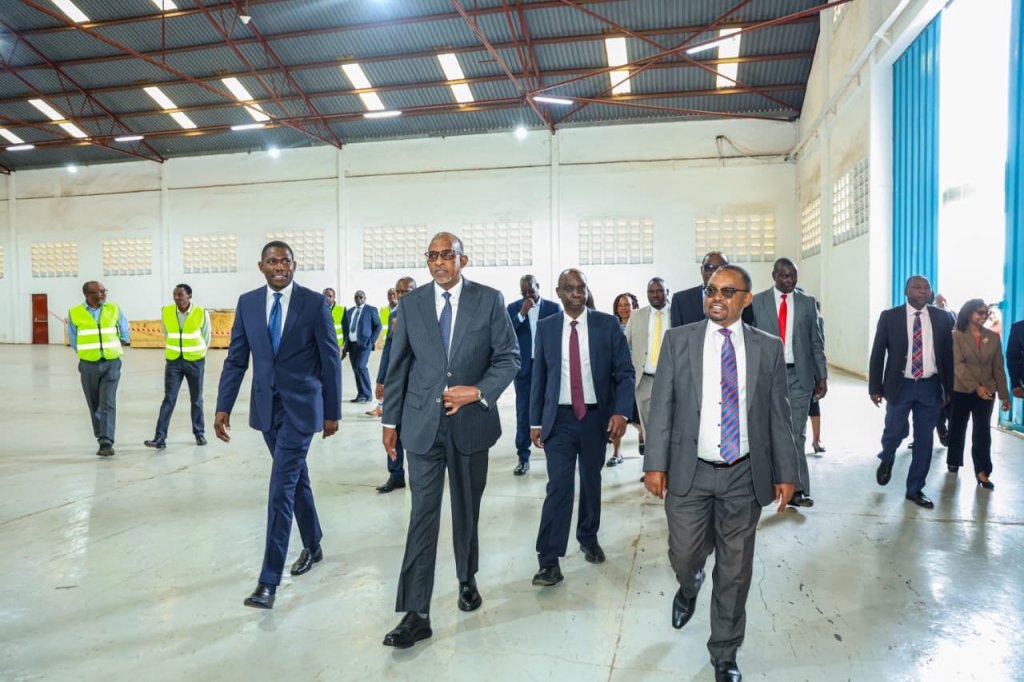
Photo Credit: MOH Kenya
Accompanied by Dr. Ouma Oluga, Principal Secretary for Medical Services; Dr. Patrick Amoth, Director-General for Health; and Dr. Bernard Olayo, a World Bank representative, CS Duale marked his first official visit to the Kenya BioVax Institute. He was briefed on significant milestones in the development of Kenya’s vaccine manufacturing ecosystem. Among the key updates was progress toward producing the country’s first trial batch of locally manufactured vaccines. This trial batch is targeted for release by the end of 2027.
The first phase of the vaccine manufacturing facility has been successfully completed. According to the briefing, this phase was fully financed by the Government of Kenya. The second phase is now underway. It will focus on project integration. This phase includes the installation of critical equipment. These include advanced fill-and-finish systems, which are essential for vaccine formulation, packaging, and distribution.
WHO Maturity Level 3
A key highlight of the discussions was Kenya’s achievement of World Health Organization (WHO) Maturity Level 3. This is a globally recognised benchmark for strong and functional medicines and vaccines regulatory systems.
WHO Maturity Level 3 signifies that a country’s regulatory authority can ensure the quality of medical products. They guarantee the safety and efficacy of these products. These products include vaccines. This level of maturity enables a country to support local manufacturing. It allows them to oversee clinical trials and regulate imports and exports. Additionally, they can respond more effectively to public health emergencies.
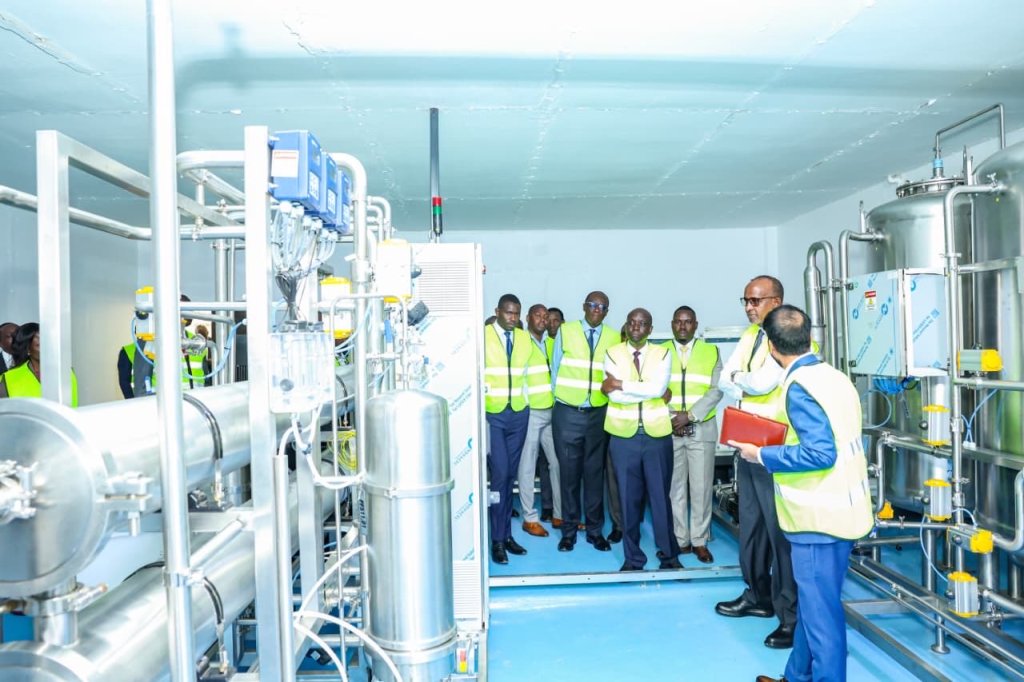
Photo credit: MOH Kenya
CS Duale further noted an important update. The Kenya BioVax Institute is set to benefit from World Bank support. This support is through the Regional Health Emergency Preparedness, Response, and Resilience (HEPRRP) programme.
The programme is designed to enhance pharmaceutical manufacturing capacity. It aims to improve regional coordination. It also seeks to strengthen preparedness and response to public health emergencies. These include disease outbreaks and pandemics. The support is expected to play a critical role. It will ensure sustainable vaccine production. It will also provide rapid response capabilities in the face of emerging health threats.
Integrity and Accountability in Public Service
The Cabinet Secretary engaged interactively with staff at the Institute. He underscored the importance of integrity, transparency, and accountability in public service. He cited Article 232 of the Constitution of Kenya.
He emphasised that adherence to these values is essential for delivering people-centred healthcare services. These must be efficient and effective. This is particularly important in institutions entrusted with safeguarding national health security.
Source:
Ministry of Health, Kenya (12 January 2026). CS Duale Holds Strategic Talks with Kenya BioVax Institute on Local Vaccine Manufacturing. https://x.com/MOH_Kenya/status/2010664795867861344
Note: All Photos have been copied from @MOH_Kenya X account

Leave a comment