
The World Health Organization (WHO) released updated recommendations on HIV clinical management. It introduces new and revised guidance on antiretroviral therapy (ART). The recommendations also cover the prevention of vertical HIV transmission and tuberculosis (TB) prevention among people living with HIV. The updated guidance reflects major scientific and programmatic advances since the last consolidated HIV guidelines were published in 2021. It aims to strengthen global efforts to end AIDS as a public health threat by 2030.
The WHO states that the new recommendations prioritize simplification, effectiveness, and cost-efficiency.
“These updated recommendations reflect WHO’s commitment to ensuring that people living with HIV benefit from the most effective, safe and practical treatment options available. “By simplifying treatment, improving adherence and addressing persistent gaps in prevention, they will help countries strengthen HIV programmes and save lives.”
-Dr Tereza Kasaeva, Director, Department of HIV, TB, viral Hepatitis and STIs of WHO Headquarters in Geneva.
Context
HIV remains one of the world’s most significant public health challenges. In 2024, an estimated 40.8 million people globally were living with HIV, including 39.4 million adults and 1.4 million children. That same year, 1.3 million people acquired HIV. Approximately 630,000 people died from AIDS-related illnesses. These facts underscore the continued human cost of the epidemic despite decades of progress.
Global access to treatment has expanded substantially. By the end of 2024, 31.6 million people were accessing antiretroviral therapy, representing 77% of all people living with HIV. This marks a dramatic increase from 7.7 million people on treatment in 2010. However, it still falls short of the 2025 global target of 34 million people on ART. Treatment coverage remains uneven, particularly among children and men, and gaps persist along the HIV care continuum.
Since the start of the epidemic, an estimated 91.4 million people have been infected with HIV, and 44.1 million people have died from AIDS-related illnesses. New HIV infections have declined by 61% since their peak in 1996. AIDS-related deaths have fallen by 70% since 2004. However, current trends indicate that the world is not yet on track to meet the 2025 targets. These targets aim for fewer than 370,000 new infections and 250,000 AIDS-related deaths annually.
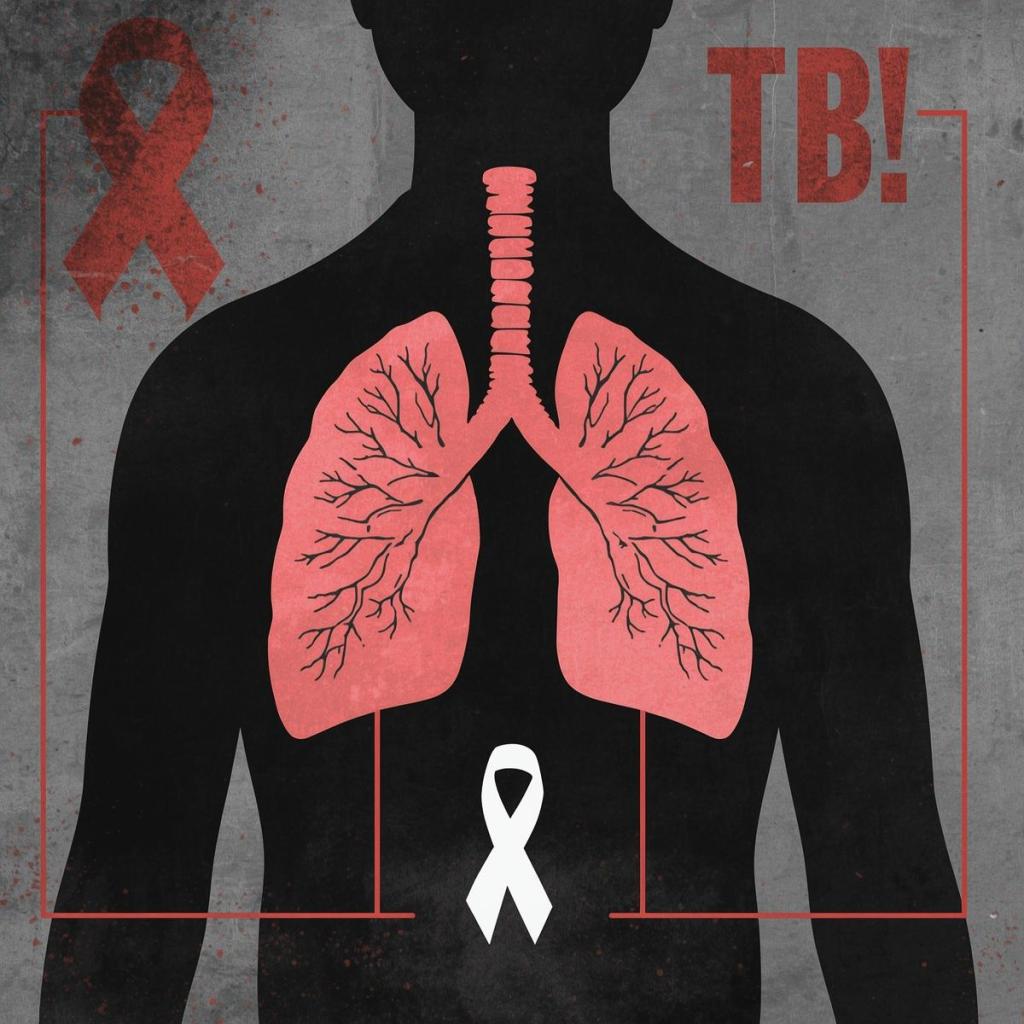
Tuberculosis continues to pose a major threat to people living with HIV. It remains one of the leading causes of death in this population globally. At the same time, progress in eliminating vertical (mother-to-child) transmission of HIV has stalled in recent years. This is particularly an issue during breastfeeding. Meanwhile, 84% of pregnant women living with HIV accessed antiretroviral medicines in 2024.
Optimizing Antiretroviral Therapy
Dolutegravir (DTG)-based regimens remain at the center of the updated guidelines. They are endorsed as the preferred option for both initial and subsequent HIV treatment. DTG has become a cornerstone of global HIV programmes due to its high efficacy, strong resistance profile, and tolerability.
For individuals whose DTG-based treatment is no longer effective, WHO now recommends darunavir/ritonavir (DRV/r) as the preferred protease inhibitor. This recommendation replaces earlier preferences for atazanavir/ritonavir and lopinavir/ritonavir. This shift is informed by emerging evidence. It demonstrates better safety profiles and improved viral suppression. There are also declining costs due to the availability of generic formulations.
WHO supports the reuse of tenofovir and abacavir in subsequent regimens. This includes cases where these drugs were part of a previously failed treatment. This approach offers programmatic advantages, reduces reliance on more toxic alternatives, and presents potential cost savings for national HIV programmes.
For the first time, WHO has recommended long-acting injectable antiretroviral therapy in specific circumstances. This is particularly beneficial for adults and adolescents who face challenges adhering to daily oral medication. In addition, oral two-drug regimens are now endorsed as treatment-simplification options for selected individuals who are clinically stable.
Strengthening Prevention of Vertical HIV Transmission
Despite substantial progress in reducing mother-to-child transmission of HIV, WHO notes that new infant infections continue to occur. This is especially true during the breastfeeding period. The updated recommendations strongly emphasize a person-centred approach. This approach balances maternal choice, infant well-being, and effective HIV prevention.

Mothers living with HIV should exclusively breastfeed for the first six months. They can extend up to 24 months or longer if the mother is on effective ART and receives appropriate support.
HIV-exposed infants should receive six weeks of postnatal prophylaxis, preferably with nevirapine. Extended infant prophylaxis may be used until maternal viral suppression is achieved or until breastfeeding has stopped.
WHO continues to recommend that mothers living with HIV exclusively breastfeed for the first six months. They advise continued breastfeeding up to 12 months. Mothers can extend this period up to 24 months or longer. This is possible if the mother is on effective ART and receives appropriate support.
To further reduce transmission risk, all HIV-exposed infants should receive six weeks of postnatal prophylaxis, preferably with nevirapine. Infants at higher risk of acquiring HIV are advised to receive enhanced triple-drug prophylaxis. Extended infant prophylaxis may be used until maternal viral suppression is achieved. It can also be used until breastfeeding has stopped.
This guidance reflects growing recognition. Eliminating vertical transmission requires sustained care beyond pregnancy. This is particularly important during the postpartum and breastfeeding periods.
Prioritizing TB Prevention Among People Living with HIV
Tuberculosis remains a leading cause of death among people living with HIV. It accounts for a significant share of HIV-related mortality globally. To improve uptake and completion of TB preventive therapy, WHO now recommends three months of weekly isoniazid plus rifapentine (3HP). This is the preferred TB preventive treatment regimen for adults and adolescents living with HIV.
Shorter TB preventive regimens are expected to improve adherence, simplify service delivery and enhance integration with HIV care. Other WHO-recommended regimens remain available. These are based on clinical and programmatic considerations. The 3HP regimen is positioned as the most effective and scalable option under a public health approach.
Implications for Countries and Health Systems
The updated recommendations will be integrated into the next edition of the WHO consolidated HIV guidelines. These guidelines are expected to guide national HIV programmes, clinicians, development partners, and communities worldwide. WHO is prioritizing simplified regimens and flexible treatment options. Integrated service delivery is also a focus. Through these efforts, WHO aims to accelerate progress toward global HIV elimination targets.
As countries review and adapt their national guidelines, the new recommendations offer a chance to strengthen health systems. They help reduce HIV-related mortality. They also improve the quality of life for nearly 40 million people living with HIV globally.
For health systems under pressure, particularly in resource-limited settings, the guidance emphasises that ending AIDS will need scientific innovation. It will also need practical, people-centred solutions that leave no one behind.
- University College London (UCL) Institute for Global Health Postgraduate Bursaries 2026
- Funding for Youth Mental Health Solutions: Apply Now
- University of Oslo PhD Fellowships: Health and Environment Research
- Join the 2026 Africa CDC Public Health Fellowship Program
- Apply for AREF Research Development Fellowship 2026/27
About the Author








1 thought on “WHO’s Updated Guidelines on HIV Management”